Major winter storm spreads snow, ice and outages across U.S., disrupting travel
A sprawling winter storm is sweeping across large parts of the United States, bringing heavy snow, sleet and freezing rain, triggering emergency declarations and widespread travel disruptions as utilities brace for significant power outages.
- PUBLISHED
- UPDATED
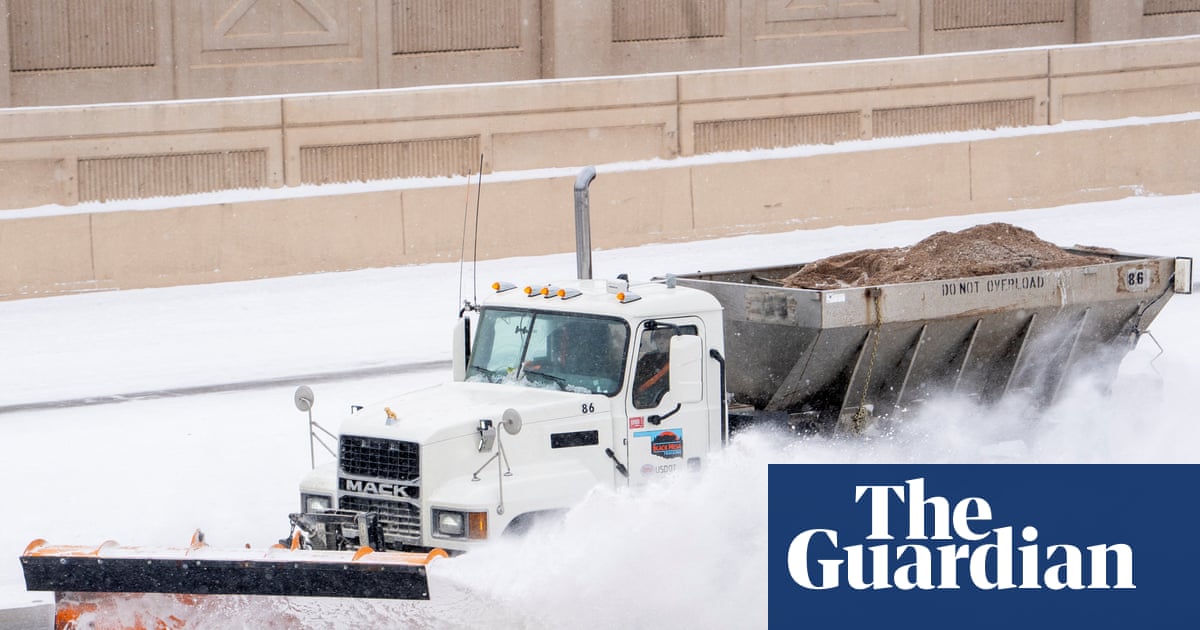
A major winter storm is pushing across the United States, spreading a wide band of snow, sleet, and freezing rain from the Plains into the Midwest and beyond. Forecasters warned that the storm could deliver dangerous ice accumulation in some areas and heavy snow in others, creating high-risk travel conditions and stressing electric grids as demand rises.
Weather alerts covered a huge portion of the country, and multiple states issued emergency declarations as conditions deteriorated. Transportation agencies urged drivers to avoid unnecessary trips, especially in areas where ice was expected to coat roads and bridges, because even light freezing rain can quickly turn highways into skating rinks.
Air travel and ground transportation were heavily affected. Airlines canceled large numbers of flights as the storm advanced, while some rail and local transit systems curtailed service. The disruptions rippled well beyond the hardest-hit corridors: crews repositioned aircraft, closed de-icing lanes, and adjusted schedules to prevent cascading delays into the following week.
Utilities and emergency managers prepared for widespread outages in locations where freezing rain was expected to load power lines and trees with heavy ice. Even a thin glaze can bring down branches; a thicker layer can snap limbs and topple poles, cutting off electricity for large neighborhoods and complicating restoration work if roads become impassable.
Officials also reiterated basic storm safety: keep phones charged, stock flashlights and batteries, and avoid running generators or grills indoors due to carbon monoxide risk. Residents in colder regions were reminded to check on neighbors who may be vulnerable to exposure, and to treat prolonged power loss as a serious medical risk for people who rely on electrically powered equipment.
Forecasters said the storm’s hazards will vary by region, with some places facing prolonged icing and others seeing significant snow totals. As the system moves east, the risk shifts toward additional flight cancellations, hazardous commutes, and localized outages where the ice axis sets up.
Emergency agencies urged people to follow local alerts, monitor road conditions, and postpone travel when possible until crews can treat surfaces and visibility improves. The storm’s broad footprint means impacts could linger even after precipitation ends, as crews clear roads and utilities restore power in difficult conditions.
REPORTING RECORD
- SRC-01The GuardianThe Guardian