Massive winter storm snarls U.S. travel, leaving widespread outages and thousands of cancellations
A sprawling winter storm pushed across much of the United States on January 25, 2026, triggering major power outages and widespread travel disruption. Airlines canceled huge numbers of flights as snow, sleet and freezing rain hit major hubs, while officials warned conditions could worsen as the system moved east.
- PUBLISHED
- UPDATED
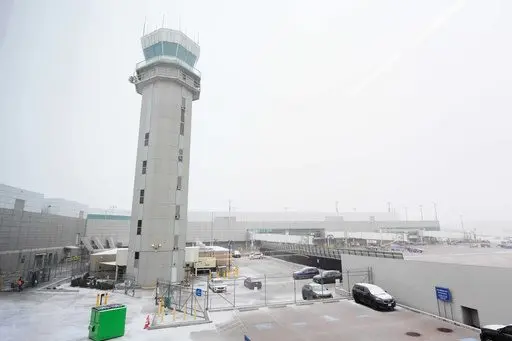
A major winter storm sweeping across the United States on Sunday, January 25, 2026, created widespread disruption to travel and basic services, as heavy snow and significant icing spread from parts of the southern Rockies through the Midwest and into the Northeast. Forecasters warned that the storm’s mix of snow, sleet and freezing rain would create dangerous driving conditions and could also trigger lengthy power outages in some areas as ice accumulates on trees and power lines.
The largest immediate impact was on air travel. Airlines canceled thousands of flights as the storm moved through key airport corridors, with major hubs in the South and East seeing cascading delays that disrupted schedules nationwide. Travelers described crowded terminals, limited rebooking options and long waits for customer support as carriers tried to reposition crews and aircraft. Aviation data firms described the scale of cancellations as among the most significant since the pandemic era, emphasizing how quickly a single large storm can ripple through the network.
The storm also cut power in wide swaths of the country. Utilities reported hundreds of thousands of outages as ice and wind stressed local distribution systems. Emergency managers in multiple states urged residents to treat power interruptions as a real possibility, particularly in areas expected to receive freezing rain, where even a thin glaze can lead to downed lines and hazardous road conditions. Officials encouraged households to stock basic supplies and avoid unnecessary travel while crews worked to restore service.
Weather services warned that conditions would vary sharply by region. Some areas were expected to receive heavy snowfall totals, while other locations faced the more damaging combination of freezing rain and sleet. In the hardest-hit corridors, even short trips became risky as road surfaces turned slick and visibility dropped. Local governments reported numerous crashes and urged drivers to keep emergency kits in vehicles if travel could not be avoided.
Airlines reminded customers that they may be eligible to change flights without fees under storm waivers, and consumer advocates reiterated that passengers can seek refunds when flights are canceled and they choose not to travel. Officials encouraged travelers to check airline alerts and airport status updates before heading to terminals, noting that rebooking can be easier through apps and online tools when phone lines are overwhelmed.