Winter storm disrupts travel nationwide as flight cancellations soar and states declare emergencies
A major winter storm spanning much of the U.S. has triggered widespread flight cancellations, dangerous road conditions and power outages. Airlines and officials urged travelers to check rebooking options and know their refund rights as the storm continues into Monday.
- PUBLISHED
- UPDATED
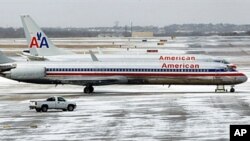
A sprawling winter storm pushed across large parts of the United States this weekend, snarling air travel and prompting warnings about treacherous conditions from the South through the Northeast. Airlines canceled thousands of flights as snow, sleet and freezing rain spread across major corridors, leaving travelers scrambling for alternatives and airports operating in disruption mode.
By Sunday, the scale of the interruption had become one of the weekend’s defining impacts: tens of thousands of flights were canceled across Saturday and Sunday, with large hub airports among the hardest hit. Carriers cut schedules sharply to keep aircraft and crews safe and to reduce cascading delays as gates and de-icing operations bottlenecked.
The storm’s footprint stretched from the southern Rockies toward New England, with heavy snow expected in parts of the Mid-Atlantic and Northeast and dangerous icing in other regions. Forecasters warned that ice accumulation could become especially destructive in some areas, increasing the risk of downed trees, blocked roads and extended power outages.
Officials across multiple states issued emergency declarations and urged the public to avoid unnecessary travel. Utility crews prepared for restoration work as freezing rain and wind combined to create conditions that can snap branches and bring down power lines. The National Weather Service cautioned that the most hazardous conditions can persist even after the heaviest precipitation ends, as temperatures remain well below freezing.
For stranded passengers, airlines advised using apps, websites and customer-service lines to rebook rather than waiting in long airport queues. Most major carriers offered storm-related waivers that allowed changes without fees, but availability depended on open seats on later flights as the storm moved east.
Travel advocates also stressed a key consumer protection: when an airline cancels a flight and a traveler chooses not to take an alternative itinerary, U.S. rules generally entitle the passenger to a refund for the unused ticket. That principle applies even for nonrefundable fares, and it also covers certain add-on fees tied to the canceled segment.
The next challenge is recovery. Airlines typically need time to reposition aircraft and crews once weather clears, meaning Monday can remain messy even if conditions improve. Officials continued urging caution on roads, reminding drivers that ice can linger on bridges and overpasses and that plows and salt are less effective when freezing rain continues.