Winter Storm Fern barrels across the U.S., triggering mass cancellations and emergency declarations
A sprawling winter storm dubbed “Fern” is driving widespread travel disruptions, government emergency actions, and urgent safety warnings as heavy snow, ice, and Arctic air sweep from the Plains toward the East.
- PUBLISHED
- UPDATED
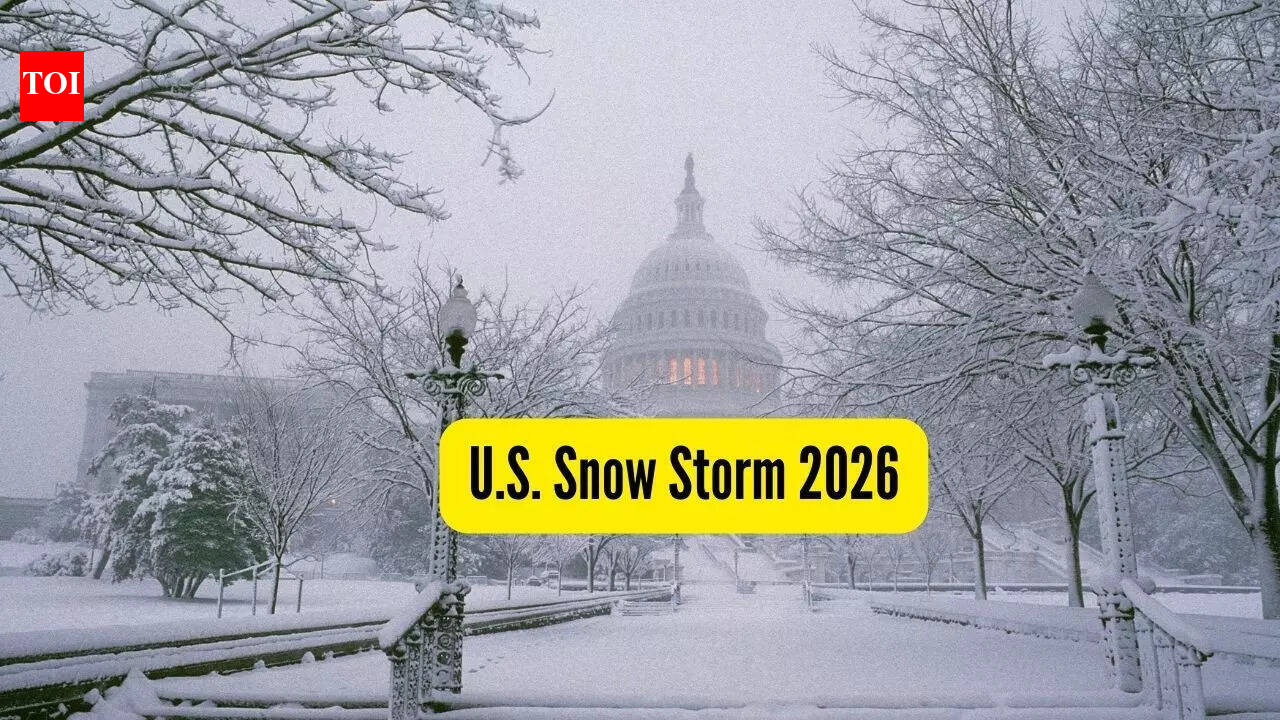
A fast-moving, wide-footprint storm
Winter Storm Fern is impacting a massive stretch of the United States in a multi-day event running from January 23 through January 26, 2026. Forecasts have warned of a potent mix of heavy snow, dangerous ice, and bitterly cold temperatures, with the system affecting travel corridors and population centers across multiple regions at once.
As conditions deteriorated over the weekend, disruptions cascaded through airports, highways, and rail routes. Airlines cancelled thousands of flights as crews and equipment were repositioned and as de-icing and runway limits slowed operations. The storm’s reach also elevated safety concerns for people who rely on public transit, emergency medical transport, and time-sensitive deliveries.
Travel disruption and emergency actions
Travel impacts became one of the most immediate public-facing consequences. Reports highlighted more than 10,000 flight cancellations over the weekend, as major hubs faced weather-related constraints and knock-on effects spread nationwide. With airlines rebooking passengers and airports contending with staffing and operational limits, disruptions were expected to persist beyond the heaviest precipitation windows.
Governors and emergency management agencies responded with a wave of declarations and warnings designed to unlock resources, accelerate coordination, and communicate public-safety guidance. These steps typically allow states to stage road-treatment supplies, mobilize National Guard support where necessary, and coordinate with utilities and local responders ahead of peak icing and wind.
What officials urge residents to do
- Avoid unnecessary travel during peak icing and snowfall windows, especially overnight and early morning hours.
- Prepare for power interruptions by charging devices, keeping flashlights ready, and checking backup heat plans.
- Monitor local advisories for school and office closures, as well as changing road conditions and tow bans.
- If you must drive, carry blankets, water, and a fully charged phone, and keep your fuel tank topped off.
With the storm still unfolding on January 25, the main message from forecasters and local officials remains consistent: conditions can change quickly, especially where ice accumulation and wind combine to down branches and power lines. Travelers and residents are being urged to treat warnings as time-sensitive and to expect delays even after precipitation tapers due to lingering cold and cleanup operations.