Winter Storm Fern spreads chaos across the U.S., triggering mass cancellations and emergency declarations
A sprawling winter storm is sweeping from the Southern Plains toward the Northeast, knocking out power, snarling roads, and forcing thousands of flight cancellations as states issue emergency orders and utilities race to restore service.
- PUBLISHED
- UPDATED
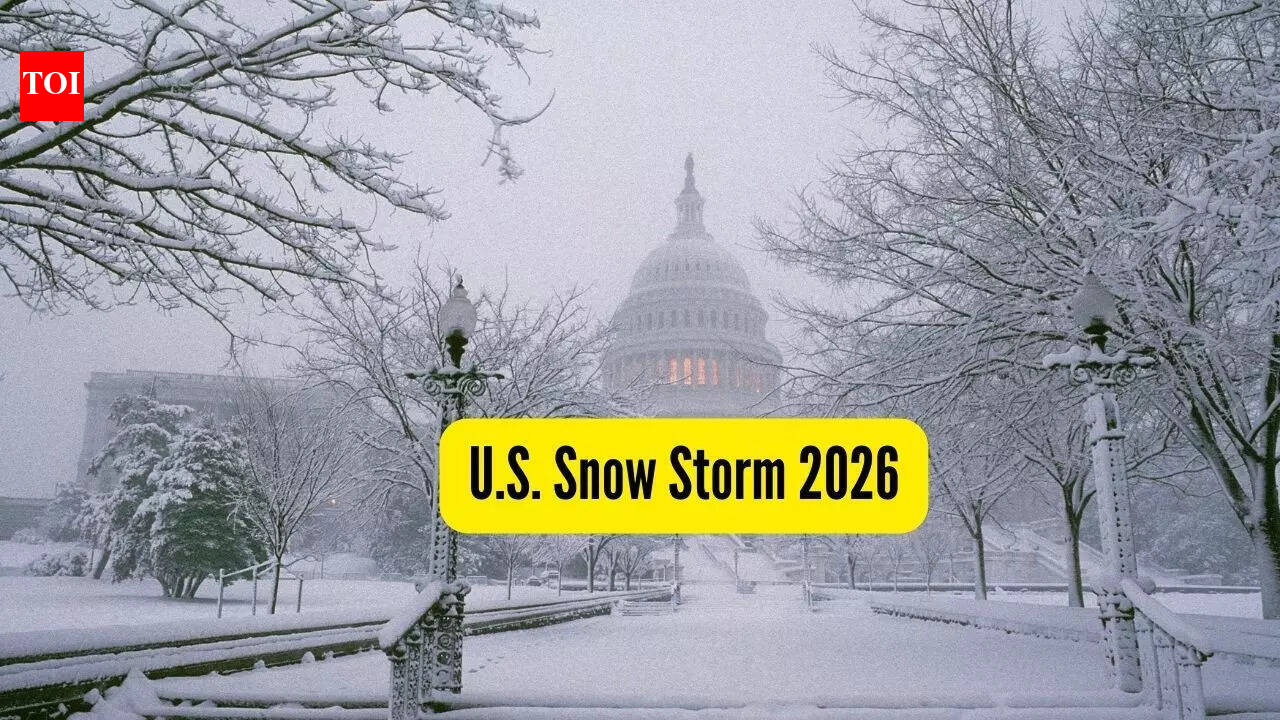
A fast-moving storm with nationwide ripple effects
Winter Storm Fern is pushing heavy snow, sleet, and freezing rain across a wide band of the United States, disrupting travel, stressing power grids, and forcing officials to warn residents to avoid unnecessary trips. Forecasts call for a dangerous mix of ice and snow in many corridors, with colder Arctic air following behind the system.
Air travel has been hit especially hard. Airports across affected regions are seeing cascading delays as aircraft and crews are repositioned, de-icing capacity is strained, and runway conditions fluctuate between snow and ice. Airlines have issued broad waivers, but travelers are still facing missed connections and multi-day rebooking in some markets.
Emergency declarations and infrastructure strain
Governors in multiple states have issued emergency declarations ahead of the storm’s peak impacts, activating state resources and pre-positioning road treatment crews and utility restoration teams. Power companies are warning that ice accretion—rather than snowfall totals alone—can be the biggest driver of outages, especially when winds pick up and tree limbs load with ice.
In communities already dealing with bitter temperatures, even short outages can turn into acute safety threats. Officials are urging residents to keep phones charged, have backup heat plans that do not involve indoor combustion, and check on neighbors who may be vulnerable. Local governments are also preparing warming centers where feasible, though travel conditions can make them hard to reach.
What travelers and households can do now
- Delay nonessential travel and monitor road-ice advisories before leaving home.
- If flying, re-check flight status repeatedly and confirm baggage and rebooking rules with your carrier.
- Prepare for outages: charge devices, stock water and shelf-stable food, and keep flashlights ready.
- Avoid using generators, grills, or gas stoves indoors; carbon monoxide risk rises during outages.
- If you must drive, bring blankets, water, and a fully charged phone, and tell someone your route.
As the storm tracks east, conditions may rapidly shift by region—snow changing to sleet, then freezing rain, and back again. Officials say the most dangerous period can be when precipitation tapers but temperatures drop sharply, re-freezing slush into black ice and making cleanup and restoration work more hazardous.