Winter storm paralyzes travel across the U.S. as power outages spread and temperatures plunge
A sprawling winter system pushed ice and heavy snow from the South into the Northeast, knocking out power for hundreds of thousands and canceling more than 10,000 flights in a single day as officials warned the danger would linger even after precipitation ends.
- PUBLISHED
- UPDATED
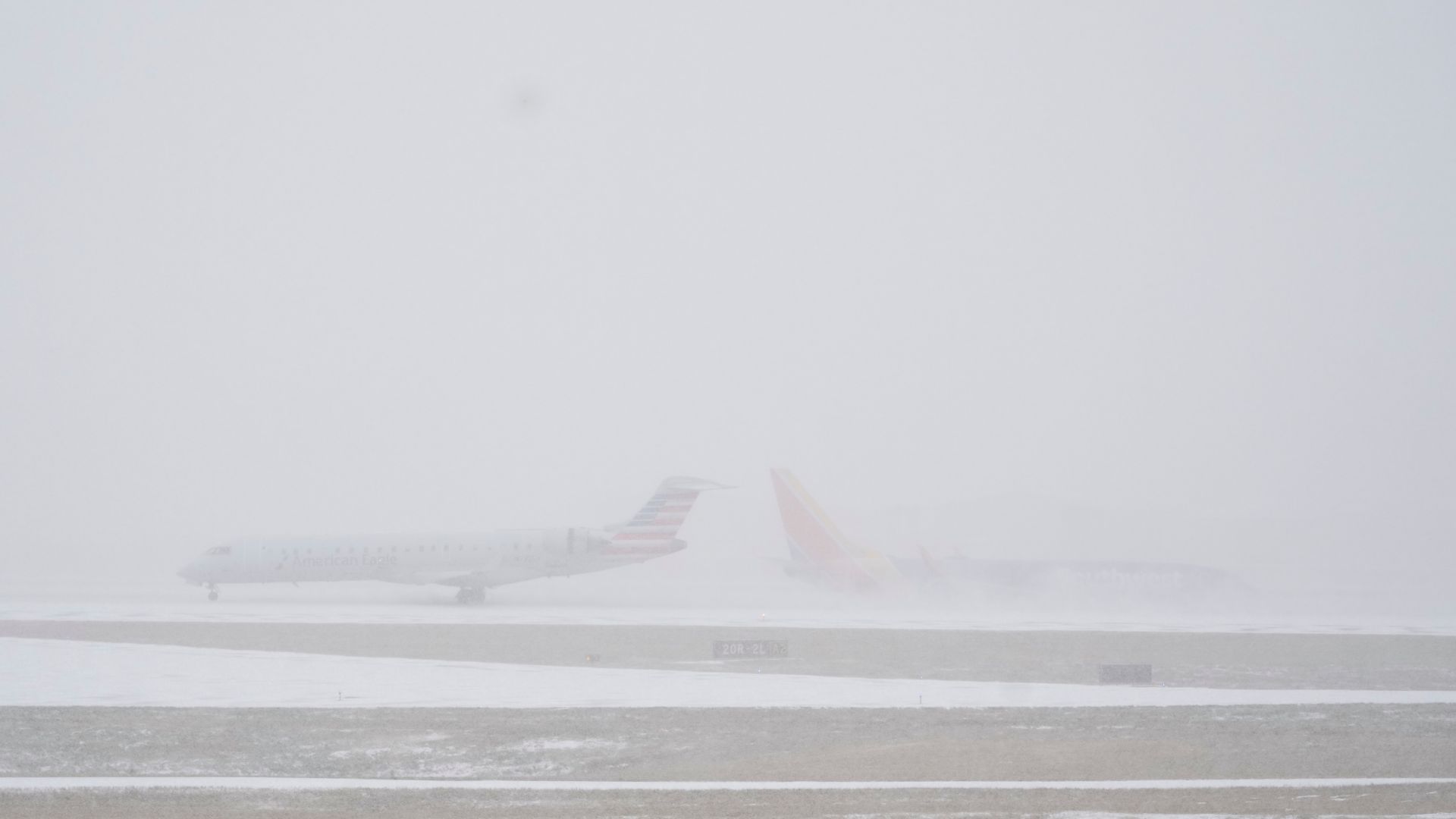
A massive winter storm gripped a wide swath of the United States on Sunday, bringing a mix of freezing rain, sleet and heavy snow that left roads treacherous, disrupted air travel and knocked out electricity for large pockets of the South and Mid-Atlantic. Forecasters warned that the storm’s scale — stretching roughly 2,000 miles — meant communities far apart were dealing with the same hazards at once, from icing that snaps trees and power lines to snowfall capable of burying interstates.
The National Weather Service said the system would keep producing dangerous conditions into Monday in many areas, then be followed by a surge of bitter cold across much of the eastern two-thirds of the country. That combination, meteorologists cautioned, can prolong emergencies: ice and snow melt more slowly, repairs take longer, and roads remain hazardous even after the last bands of precipitation pass.
Millions woke to warnings and advisories, and the disruption quickly showed up on airport departure boards. Flight tracking data showed more than 10,000 flights canceled on Sunday, part of more than 14,000 cancellations since Saturday. Airlines urged travelers to check status and rebook early, but the ripple effects of grounded aircraft and crews threatened to complicate schedules well beyond the storm’s core impact window.
Power outages rose as ice built up on lines and branches. Utility-tracking figures cited by the AP showed the number of customers without power approaching 800,000 on Sunday morning, with Tennessee among the hardest hit. In multiple states, emergency managers and local officials warned residents to stay off the roads, noting that falling limbs and slick surfaces created conditions too dangerous for routine travel — and, at times, for utility crews trying to restore service.
Airports in major metropolitan areas saw especially sharp reductions in operations. In the Washington region, nearly all departing flights at Reagan National were canceled, an example of how quickly hub disruptions can spread throughout the national aviation network. Officials emphasized that even once the storm’s heaviest snow shifts east and north, the cold behind it could keep hazards in place for days.