Massive winter storm leaves deaths, widespread outages and travel chaos across the U.S.
A sprawling winter storm brought dangerous cold, snow and ice from Texas to New England, triggering widespread power outages, major flight cancellations and a growing death toll as officials warned the worst impacts can linger even after precipitation ends.
- PUBLISHED
- UPDATED
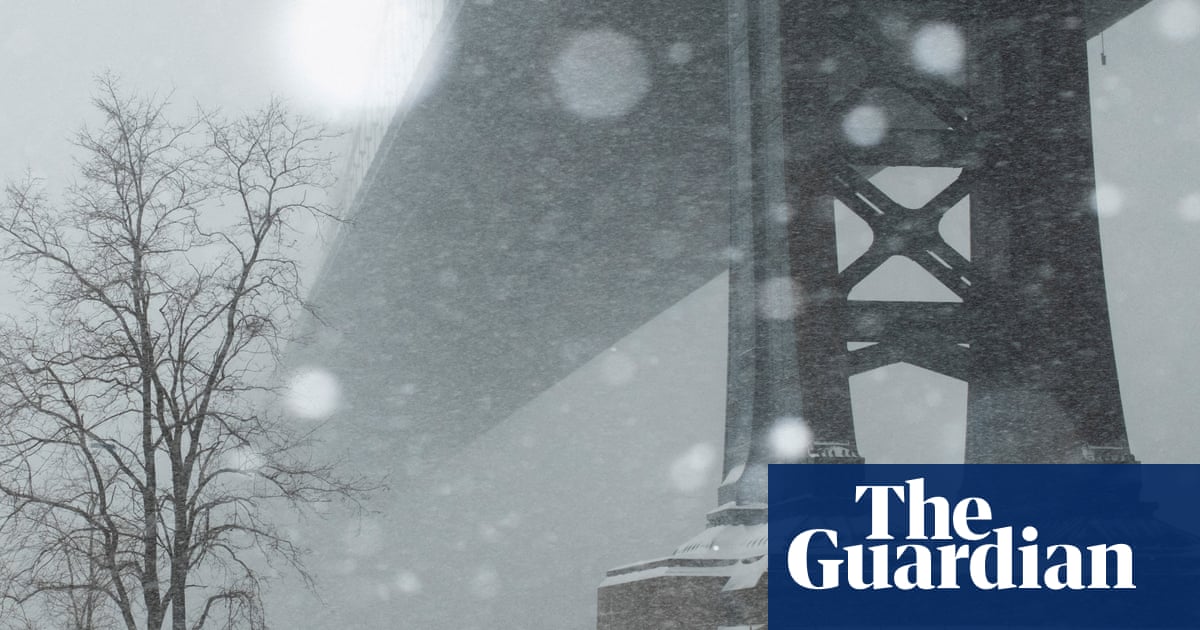
A coast-to-coast disruption from ice, snow and bitter cold
A powerful winter system swept across much of the United States over the weekend and into Monday, January 26, 2026, leaving communities dealing with hazardous travel, damaged infrastructure and life-threatening cold. The storm’s footprint stretched across a wide swath of the country, with heavy snow in some areas and crippling ice in others, creating a mix of dangers that emergency managers said could persist after skies clear.
Officials reported a rising number of storm-related deaths across multiple states. Many of the fatalities were linked to exposure to extreme cold, while other incidents were tied to winter travel and cleanup hazards. Local leaders urged people to take cold-weather warnings seriously, emphasizing that wind chills and prolonged sub-freezing temperatures can turn a short trip outdoors into a medical emergency.
Power outages and infrastructure strain
The storm knocked out electricity for hundreds of thousands of households, as ice loads and falling trees strained lines and poles. The hardest-hit areas included parts of the Southeast and lower Midwest, where freezing rain created extensive icing. Utility crews worked to restore service, but officials cautioned that repairs can take time when crews must also clear debris and replace damaged equipment.
Weather agencies warned that even as precipitation tapers off, the combination of lingering ice and additional bouts of cold can keep roads slick and complicate restoration work. In several places, the storm’s impact was not confined to a single day: repeated freezes, refreezing meltwater and continued wind can keep conditions dangerous for drivers, pedestrians and first responders.
Travel and daily life upended
Air travel was heavily disrupted, with thousands of flights canceled over the weekend and into Monday as airports and airlines adjusted to de-icing demands, runway conditions and aircraft positioning problems. The storm also affected local transportation, with communities reporting difficult road conditions and closures of public facilities in some of the largest metro areas.
Forecasters said frigid air would continue spreading across the eastern portion of the country, and urged residents to prepare for extended cold that could last into early February. Officials emphasized practical steps such as checking on neighbors, limiting time outdoors, and ensuring safe heating practices to prevent carbon monoxide poisoning and house fires during prolonged outages.
REPORTING RECORD
- SRC-01The GuardianThe Guardian