Winter storm slams U.S., triggering mass cancellations, closures and a push for safety
A sprawling winter storm swept across large parts of the U.S., closing schools, snarling roads and disrupting travel as weather alerts remained in place for millions. Officials urged residents to stay off icy streets while utilities and airports worked to restore service and normal schedules.
- PUBLISHED
- UPDATED
A wide, dangerous system from the South to the Northeast
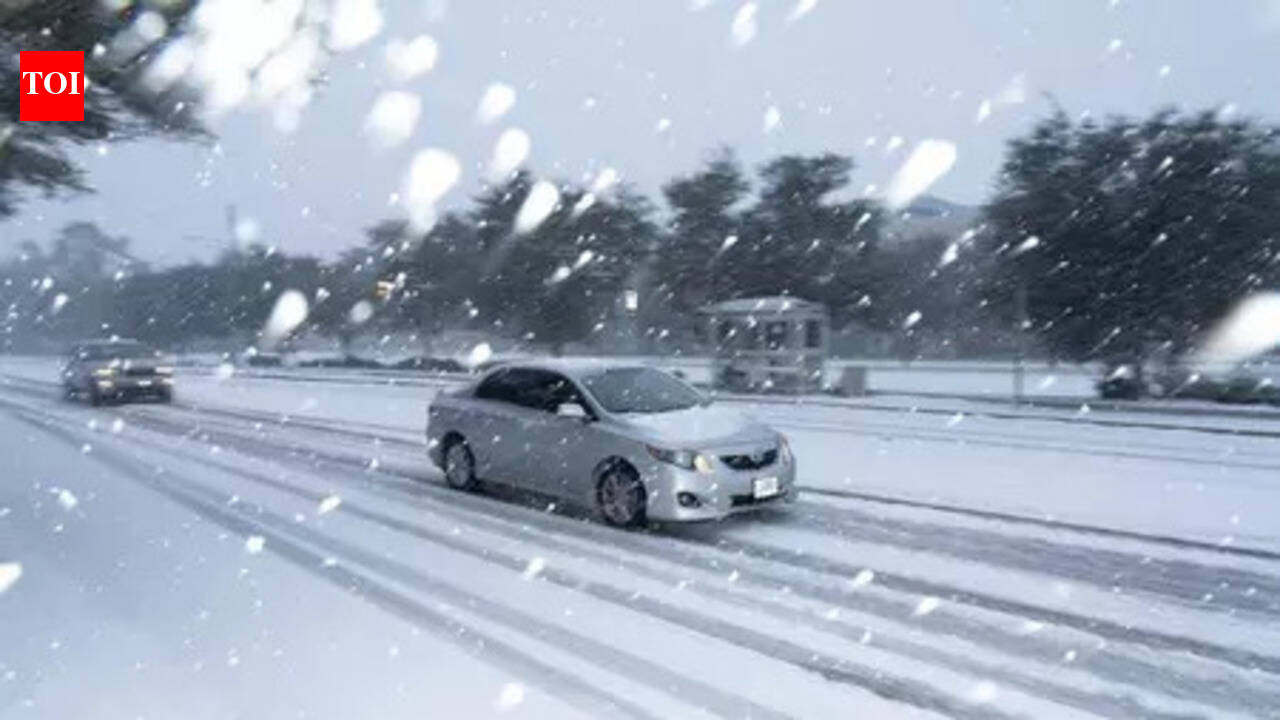
A major winter storm spread across broad sections of the United States on Monday, January 26, 2026, delivering a mix of heavy snow, ice and bitter wind that made driving hazardous and complicated daily routines. The system affected regions stretching from parts of the South and Midwest into the Northeast, with many communities reporting slick roads, reduced visibility and rapidly changing conditions.
Local and state officials repeatedly emphasized that the most immediate risk was travel, particularly during commute hours. Emergency agencies and transportation departments encouraged residents to delay nonessential trips, watch for rapidly forming black ice and keep extra supplies in vehicles in case of delays. As the storm shifted, the most intense impacts moved across multiple time zones, forcing responders to manage several waves of hazards rather than a single short burst.
Schools and campuses pivoted to closures and online learning
School districts and higher-education campuses were among the first institutions to adjust schedules. In a range of affected states, administrators announced closures, delayed starts or remote learning days to reduce the need for buses and student travel on icy roads. The decisions reflected both safety concerns and the challenge of staffing buildings when employees could not reliably commute.
Where remote instruction was used, districts focused on maintaining continuity for core lessons while pausing some activities such as athletics and after-school programs. In areas with heavier ice, leaders noted that even short trips to local schools could pose significant risk, and that plows and treatment crews needed time to catch up.
Power outages and essential services
In places where ice accumulated on lines and trees, utility crews responded to scattered outages. Residents were urged to charge devices, keep flashlights ready and check on neighbors who may need help staying warm. Some local governments reminded the public to use generators safely and to avoid heating methods that can lead to carbon monoxide exposure.
Air travel also faced disruptions as airports contended with de-icing operations and runway conditions, and passengers were advised to monitor airline alerts and rebooking policies. Officials said the combination of weather, transportation constraints and outages made it especially important for people to follow local updates and avoid unnecessary risks until conditions improved.
What to watch next
- Changing precipitation: snow can quickly shift to sleet or freezing rain depending on temperature swings.
- Road treatment capacity: plowing and salting can lag behind when the storm crosses many regions at once.
- Secondary hazards: falling branches, icy sidewalks and spotty power can persist after the heaviest precipitation ends.
As the storm continued to move, officials said the biggest near-term improvements would come once temperatures stabilized and treatment crews could fully clear priority routes. Until then, the guidance remained consistent: travel only if needed, leave extra time and stay alert for rapidly changing conditions.