Winter storm snarls U.S. travel as airlines cancel thousands of flights and delays pile up
A sprawling winter storm kept gripping much of the United States on Monday, forcing airlines to scrap thousands of flights and leaving travelers scrambling as snow, ice and low visibility squeezed major hubs. Aviation data showed disruption remained heavy after a record-scale cancellation day on Sunday, and federal officials warned that constraints could linger as conditions shift across the Northeast and Mid-Atlantic.
- PUBLISHED
- UPDATED
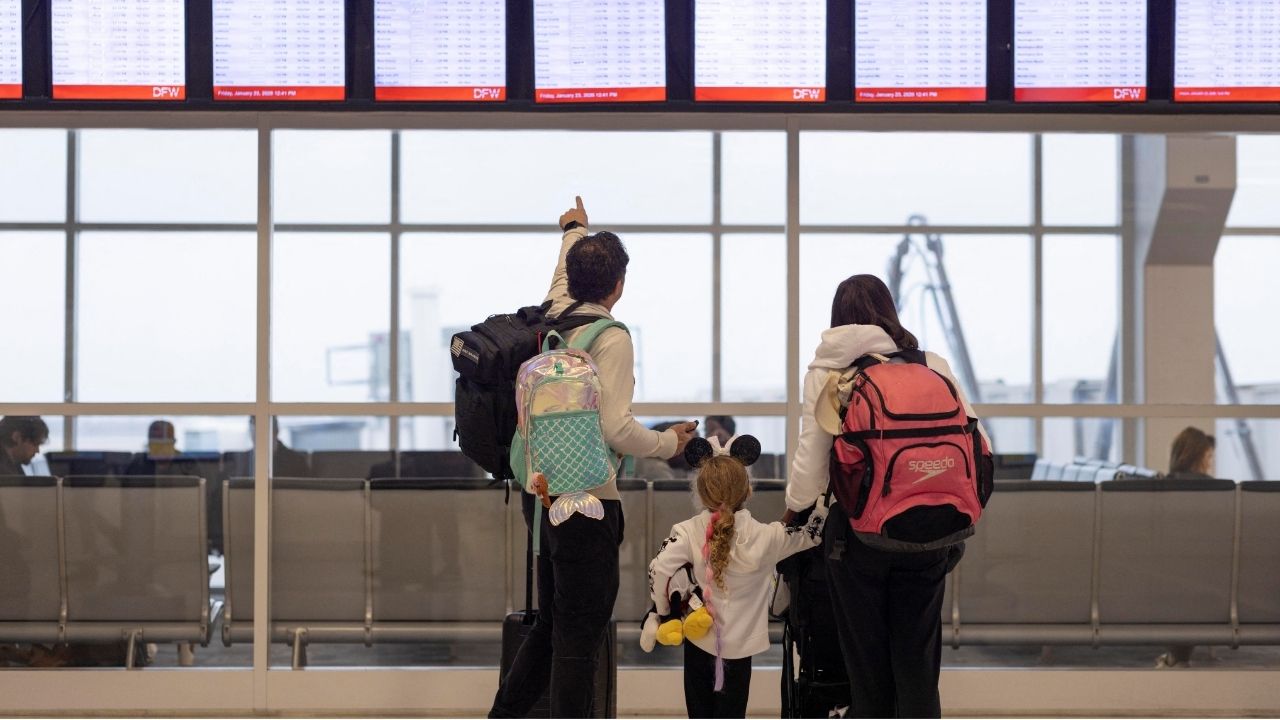
Flights canceled again as storm marches east
A powerful winter system continued to disrupt U.S. transportation on Monday, January 26, 2026, with airlines canceling and delaying large numbers of flights as snow and freezing rain affected key corridors. Early Monday figures showed roughly 3,900 flight cancellations and more than 1,500 delays, according to flight-tracking data cited in a Reuters report.
The day’s problems followed an even larger wave of disruption on Sunday, when more than 11,000 flights were canceled nationwide—described as the highest daily total since the pandemic by the aviation analytics firm Cirium. With many aircraft and crews out of position, the hangover effects carried into Monday schedules and rebooking options.
Major hubs squeezed by snow, ice and low visibility
Meteorologists expected a low-pressure system south of New England to move offshore on Monday, while heavy snow persisted in portions of the Northeast and freezing rain lingered across parts of the Mid-Atlantic. The National Weather Service forecast also included snow along the Appalachian region and rain spreading along parts of the Southeast coast as a cold front pushed toward the Atlantic.
The Federal Aviation Administration warned of weather-related constraints at major hubs, citing snow, freezing rain and low visibility that can slow arrival rates and force ground stops. As a result, even travelers outside the hardest-hit areas faced cascading delays when aircraft rotations and connections were disrupted.
Airline impacts and what travelers are seeing
American Airlines accounted for the largest share of disruptions early Monday, with hundreds of cancellations and delays, followed by regional and major carriers including Republic Airways, JetBlue and Delta. United said it expected significantly fewer cancellations than Sunday and began restoring flights, though residual disruptions remained visible on airport departure boards and in online status trackers.
Passengers flooded airline social media channels seeking clarity on changing departure times, rebooked itineraries and refund policies. Many travelers reported being pushed to later dates as seat availability tightened and airport operations focused on snow removal, de-icing and ramp safety.
What happens next
While forecasts suggested the storm center would move offshore, the recovery timeline depended on how quickly airports could clear runways and how rapidly airlines could reposition crews and aircraft. Even after the heaviest precipitation ends, freezing temperatures can keep de-icing demand high and slow turnaround times, prolonging disruption through connecting networks.
Travelers planning to fly in the next 24 to 72 hours were advised to monitor airline alerts, check airport-specific advisories, and consider flexible rebooking options where offered. In past events of this scale, operational recovery often comes in phases as hubs reopen fully and carriers work through backlogs.