Anger builds after fatal federal shooting in Minneapolis as protests spread and lawmakers threaten DHS funding fight
After a Minneapolis nurse was fatally shot by federal agents, demonstrations grew in multiple cities and political pressure intensified in Washington. The incident fueled renewed criticism of federal immigration enforcement tactics, with some lawmakers signaling they may use budget leverage to demand changes.
- PUBLISHED
- UPDATED
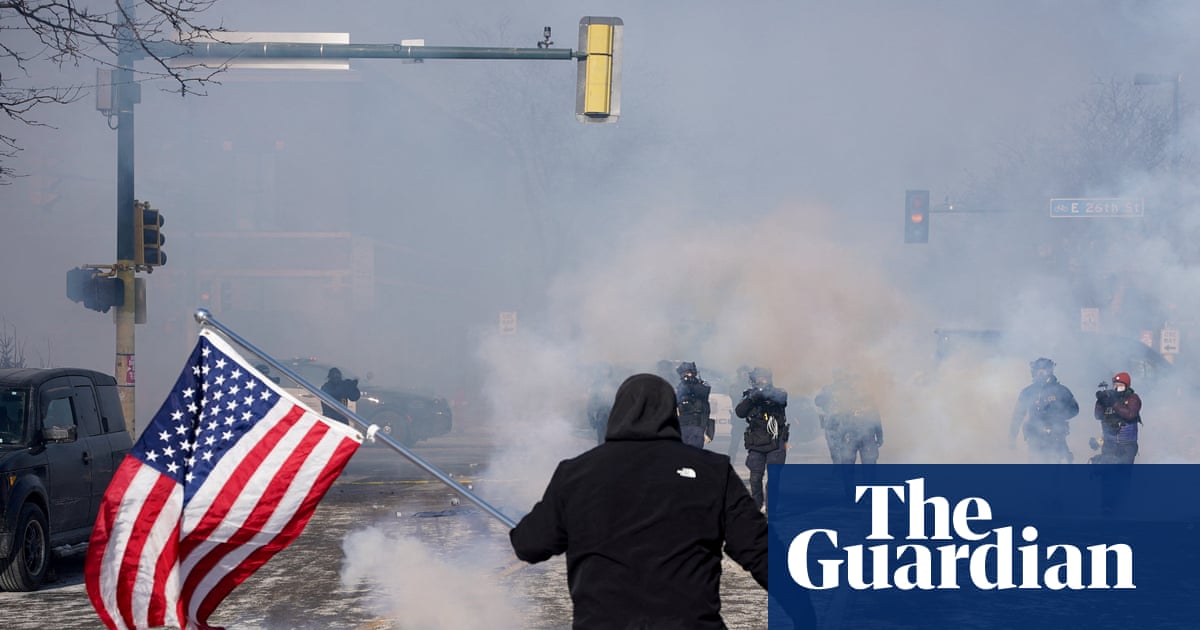
National political fallout intensified Sunday after the fatal shooting of Alex Pretti, a 37-year-old nurse in Minneapolis, during an encounter involving federal agents. The death—described by critics as the second fatal shooting by federal immigration officers in a short period—triggered renewed protests and sharpened partisan conflict over immigration enforcement and federal accountability.
In Minneapolis, demonstrations centered on demands for transparency and an independent review of the incident. Protesters and local officials questioned the official narrative, pointing to public video and witness accounts that they say complicate early government descriptions of the shooting. Supporters of tighter enforcement defended the broader crackdown, while opponents argued the episode reflected systemic failures in oversight and escalation policies.
As the protests spread to other U.S. cities, the political debate moved quickly to Congress. Senate Democrats signaled they could use upcoming funding negotiations as leverage, threatening to block or condition Department of Homeland Security funding over concerns about Immigration and Customs Enforcement operations. That tactic, if pursued, could turn the dispute into a high-stakes budget showdown.
Local leaders in Minnesota condemned the death and called for accountability, while advocates demanded that federal enforcement operations be limited or removed from certain jurisdictions. At the same time, the administration faced pressure from allies who want a firm posture on immigration and border control, creating an internal political incentive to project strength even as scrutiny grows.
The immediate policy questions include whether federal agencies will revise use-of-force guidance, whether there will be public release of investigative findings, and how coordination with local law enforcement will be handled going forward. Civil-rights advocates also urged the Justice Department and inspectors general to act quickly to preserve evidence and ensure independence.
While large protests can fade, this episode has potential staying power because it intersects with broader disputes over immigration, federal policing, and trust in institutions. With budget deadlines and oversight hearings looming, the incident could become a defining flashpoint in early 2026 politics—especially if additional details or video prompt further public reaction.
REPORTING RECORD
- SRC-01The GuardianThe Guardian