Outrage spreads after Minneapolis killing of nurse Alex Pretti; Democrats threaten DHS funding blockade
The fatal shooting of Alex Pretti in Minneapolis by federal agents triggered nationwide protests and intensified pressure on the Trump administration’s immigration enforcement, as Senate Democrats signaled they may block Department of Homeland Security funding without changes to ICE operations.
- PUBLISHED
- UPDATED
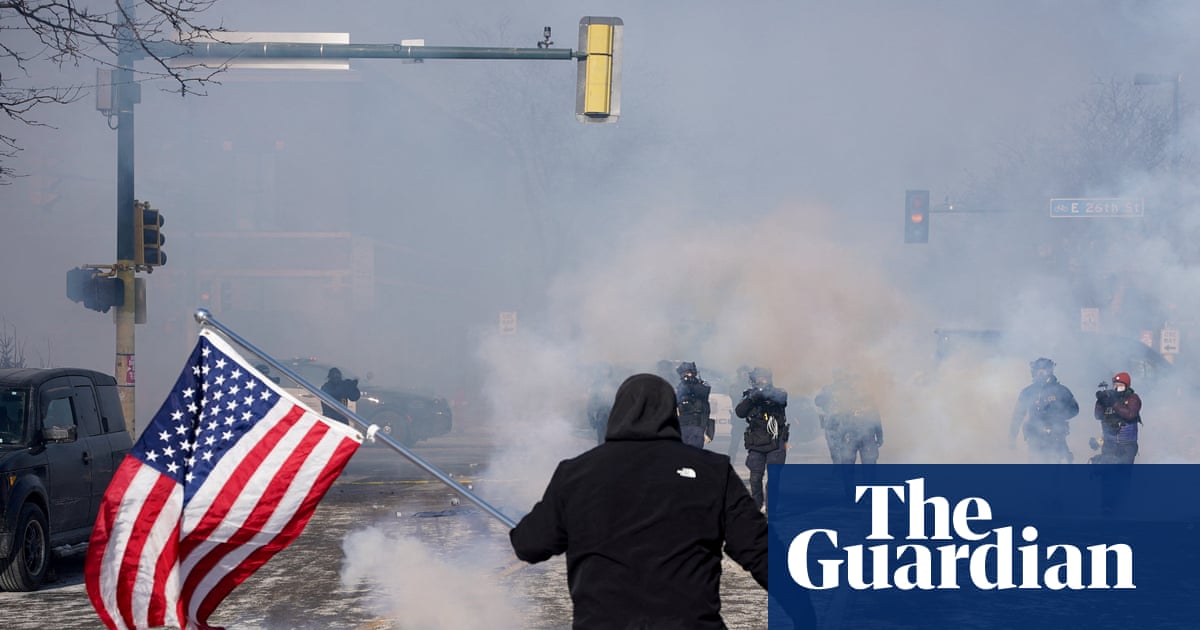
MINNEAPOLIS — Anger and protests surged across multiple U.S. cities after federal law enforcement officers fatally shot Alex Pretti, a 37-year-old registered nurse, in Minneapolis. The killing was described as the second fatal shooting by federal agents in the city in less than three weeks, rapidly turning the incident into a major national political confrontation.
Video evidence circulating online became central to the controversy. Footage cited by critics appeared to show Pretti holding a phone rather than a gun at the moment he was tackled and shot, contradicting assertions by senior administration figures that he posed an immediate, lethal threat to officers. Officials and allies of the White House maintained that Pretti intended violence, while opponents argued the evidence points toward unjustified force.
Thousands demonstrated in locations including Minneapolis, New York City, San Francisco, Boston, and Providence, Rhode Island. Protesters braved extreme cold to demand accountability and to criticize Immigration and Customs Enforcement (ICE), which has become the focal point of broader anger at the administration’s immigration crackdown and enforcement tactics.
Local and state officials in Minnesota publicly condemned the killing and questioned the federal operation’s impact on public safety. The unrest and rhetoric widened beyond the street level into Congress, where the incident is feeding directly into a high-stakes funding fight.
Senate Democratic leadership signaled a willingness to block a funding package if it includes money for the Department of Homeland Security without reforms. The warning raises the prospect of a shutdown-adjacent standoff, with Democrats arguing they cannot authorize continued funding for DHS and ICE on current terms after the Minneapolis shootings.
The political dynamics are sharpened by competing narratives: one side framing federal agents as responding to a serious threat, the other arguing the government is escalating enforcement in ways that produce avoidable deaths and destabilize communities. As the dispute intensifies, the Minneapolis case is likely to become a defining test of oversight, evidence standards, and the limits of federal power in domestic enforcement.
With protests continuing and lawmakers pressing for investigations, the near-term outcome may depend on what additional video, forensic details, and official timelines reveal. The longer-term impact could be measured in policy changes—either tighter accountability rules for federal operations, or a hardening of enforcement posture amid political backlash.
REPORTING RECORD
- SRC-01The GuardianThe Guardian