Protests swell after federal agents kill Minneapolis nurse Alex Pretti
The fatal shooting of Alex Pretti during a federal operation has triggered mass demonstrations, political backlash, and renewed debate over immigration enforcement and federal policing tactics.
- PUBLISHED
- UPDATED
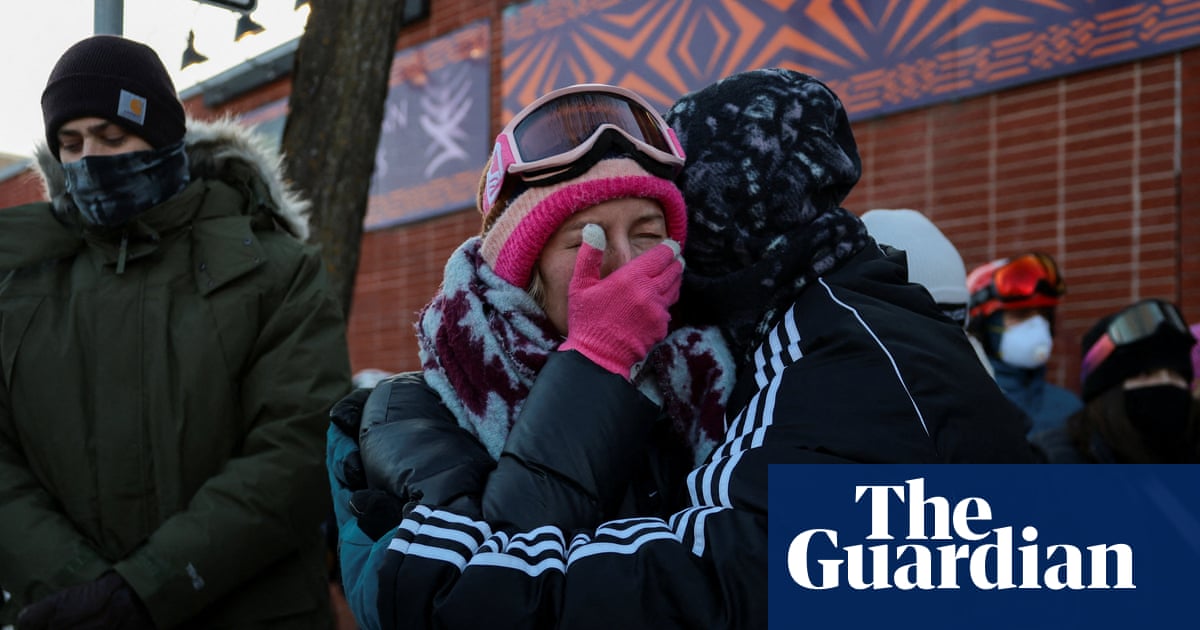
Demonstrations expanded across multiple U.S. cities after federal agents killed Alex Pretti, a 37-year-old Minneapolis intensive-care nurse, during an enforcement operation. The incident rapidly escalated into a national political controversy, with protest organizers demanding accountability, a full public release of footage, and limits on how federal immigration operations are carried out in major cities.
According to reporting that drew on witness accounts and video circulating online, Pretti appeared to be holding a phone and filming in the moments before he was confronted. The shooting has intensified local anger, in part because it came amid heightened immigration enforcement activity and because it followed another fatal federal shooting in the city earlier in January.
Pretti’s family and supporters have disputed official claims that he posed a lethal threat, describing him instead as a dedicated medical professional known for helping patients and colleagues. Vigils and memorials were organized as medical workers and community groups pushed for an independent investigation, arguing that the public deserves a clear account of how the encounter turned deadly.
Elected officials faced immediate pressure to respond. Local leaders questioned the conduct of the operation and the rules governing federal deployments, while national lawmakers used the episode to argue over immigration policy, public safety, and the legal standards for use of force. The political fight has unfolded against a backdrop of broader polarization about the role of federal agencies and how they should operate in jurisdictions that are often politically opposed to Washington.
The protests have included peaceful marches and rallies as well as tense confrontations near federal buildings. Organizers say the goal is to force transparency and oversight, while officials have emphasized their view that agents were operating within their authority. As video clips spread online, competing narratives have hardened, making the release of additional official records a central demand from critics.
For many demonstrators, the case has become symbolic of concerns about aggressive enforcement and the risks to bystanders during operations. The coming weeks are expected to bring further political fallout, as investigators review the precise timeline of events and as lawmakers debate whether federal agencies should face new constraints, reporting requirements, or funding conditions tied to conduct during enforcement actions.
REPORTING RECORD
- SRC-01The GuardianThe Guardian