US completes withdrawal from the World Health Organization, HHS and State Department say
The U.S. Department of Health and Human Services and the State Department announced the United States has completed its withdrawal from the WHO, citing concerns over the organization’s COVID-19 response and governance. The move follows a yearlong notice period and shifts U.S. global health engagement toward bilateral arrangements.
- PUBLISHED
- UPDATED
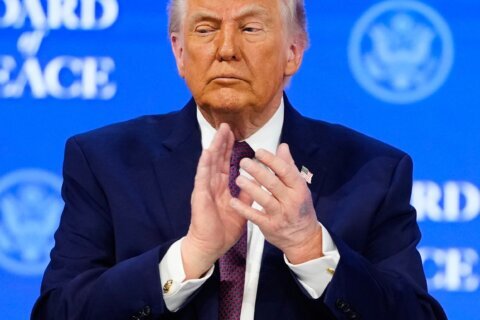
The U.S. Department of Health and Human Services and the State Department said on January 22, 2026, that the United States has completed its withdrawal from the World Health Organization, formalizing a break that officials said was driven by dissatisfaction with WHO’s handling of the COVID-19 pandemic and broader concerns about reform and independence.
In a statement, the administration characterized the decision as the culmination of a yearlong process that began with a formal notice and was accompanied by steps to end U.S. funding and pull U.S. personnel from the organization. Officials said activities previously conducted through WHO have been shifted toward direct, bilateral engagements with other countries and partners.
The announcement framed the withdrawal as a response to what U.S. officials described as delays and misjudgments during the early stages of the coronavirus outbreak, and as a signal that the United States intends to pursue a different approach to global health leadership. The administration also indicated it would coordinate with WHO only in a limited way to effectuate the withdrawal.
Public health observers have warned that WHO membership affects more than diplomacy. Membership can shape how countries share outbreak data, coordinate emergency response, and align technical standards for surveillance and laboratory work. Critics of the withdrawal say it could complicate cooperation during fast-moving international crises, while supporters argue bilateral arrangements can be more accountable and better aligned with national priorities.
The move has also raised questions about U.S. participation in global health initiatives where WHO plays a coordinating role, including programs targeting infectious diseases and emergency preparedness. The administration’s statement emphasized continued U.S. involvement globally through other channels, including partnerships with governments, NGOs, and the private sector.
The withdrawal is likely to remain a focal point in U.S. politics through 2026 as lawmakers, state officials, and health systems assess practical impacts—from technical coordination on outbreaks to the broader strategic value of multilateral engagement. WHO, for its part, has said it regrets the decision and plans to consider implications at upcoming governing meetings.