Trump sends border czar to Minnesota as protests grow after ICE shooting
President Donald Trump said he is dispatching his ‘border czar’ Tom Homan to Minnesota, as anger continues after a fatal ICE shooting in Minneapolis. The move comes amid intensifying protests and political fallout, with Trump also amplifying claims about unrest while opponents demand accountability and changes to immigration enforcement tactics.
- PUBLISHED
- UPDATED
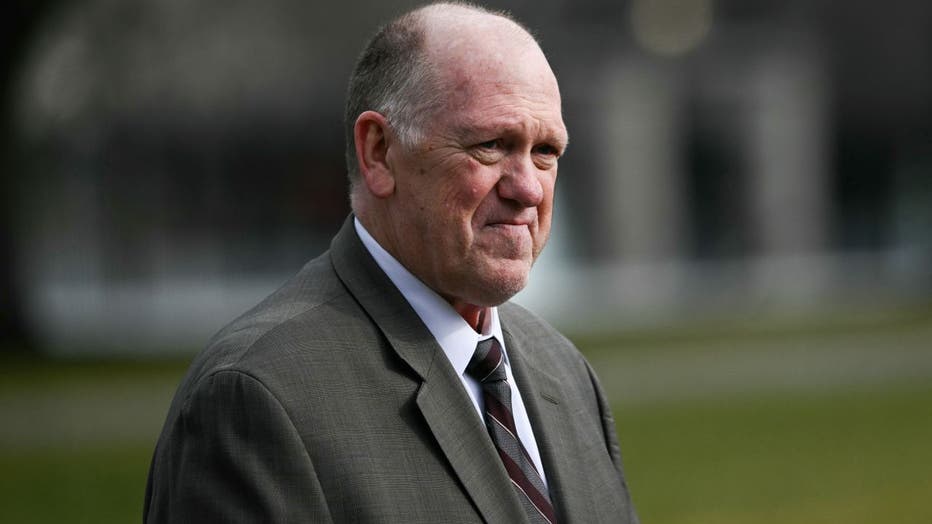
President Donald Trump said he is sending his ‘border czar,’ Tom Homan, to Minnesota as the administration faces mounting pressure following a fatal shooting involving federal immigration enforcement in Minneapolis. The announcement, made on social media, comes as protests and demonstrations continue to build, with critics calling for a reassessment of federal tactics and for clearer accountability around the operation that ended in a death.
The Minnesota incident has become a flashpoint in the national debate over immigration enforcement, public safety, and the use of force. Supporters of the crackdown argue that enforcement is necessary to uphold immigration law and deter unlawful entry, while opponents say the tactics are escalating tensions and putting communities at risk. The administration, facing intense scrutiny, has sought to frame unrest as driven by outside agitators—an argument that has drawn pushback from local officials and demonstrators.
By dispatching Homan, the White House appears to be signaling a desire to take tighter operational control and to project an image of decisive action. But for protesters and civil liberties advocates, the move raises fears of further escalation rather than de-escalation, especially if additional federal personnel arrive or if the mission’s posture becomes more aggressive.
Political leaders are also watching the situation closely because it affects broader fights in Washington over immigration funding and oversight. Democrats have argued that the administration’s approach is provoking instability and could require legislative or budgetary consequences, while Republicans are divided between loyalty to the enforcement agenda and concerns about optics and accountability after a fatal encounter.
As Minnesota officials and community groups demand answers, the next steps—whether a formal independent investigation, changes to operational rules, or a drawdown of certain federal activities—could shape not only the local response but also the national trajectory of immigration enforcement policy in 2026.
REPORTING RECORD
- SRC-01The GuardianThe Guardian