Timberwolves and Warriors return to court amid Minneapolis grief after shooting; game played in somber mood
The Timberwolves and Warriors played in Minneapolis after a one-day postponement tied to community safety concerns following the fatal shooting of 37-year-old Alex Pretti by a federal officer. Coaches and players described the arena atmosphere as heavy and distracted, reflecting a city grappling with protests and grief.
- PUBLISHED
- UPDATED
A game played under extraordinary circumstances
The Minnesota Timberwolves returned to the floor against the Golden State Warriors in a game shadowed by grief and anger in Minneapolis. The matchup had been postponed for 24 hours, and when it finally took place, coaches and players described a somber feeling inside the arena, as if the city’s crisis had moved into the building with everyone.
Warriors coach Steve Kerr said the atmosphere was unusually sad, suggesting that it was difficult for fans and players alike to fully focus on basketball. Timberwolves coach Chris Finch publicly expressed heartbreak for the community, emphasizing that the events outside the arena made playing feel secondary.
Why the game was postponed
The NBA delayed the game by a day, citing the need to prioritize the safety and security of the Minneapolis community after the fatal shooting of Alex Pretti, a 37-year-old nurse, by a federal officer. The incident intensified protests and deepened public tension during a broader immigration crackdown described by federal officials as a large-scale enforcement effort.
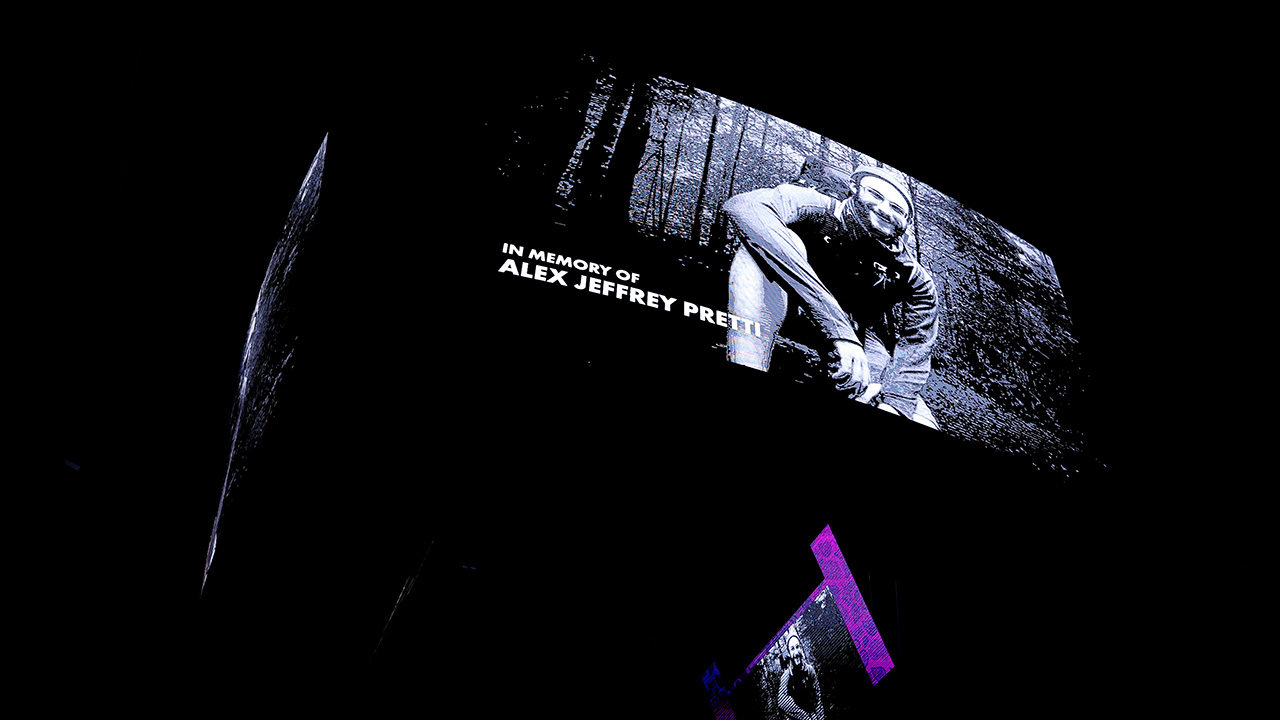
Before tipoff, the Timberwolves held a moment of silence for Pretti. Players and staff described the situation as emotionally draining, with many acknowledging that they were trying to play while also processing the fear and anger around them.
How athletes and leagues responded
The AP report describes expressions of solidarity across sports, including statements of support from the NBA Players Association. The response highlights how major local events can ripple beyond politics and into professional sports, affecting scheduling decisions, arena operations, and the emotional state of teams.
In the end, the game served less as an escape and more as a reflection of the city’s mood—an event that proceeded, but with everyone aware that the larger story was unfolding well beyond the court.
REPORTING RECORD
- SRC-01AP NewsAP News