USWNT rolls into next friendly after 6–0 win, using early 2026 matches to test new faces
The U.S. Women’s National Team opened its 2026 schedule with a dominant 6–0 friendly win over Paraguay and is set to face Chile next, with coach Emma Hayes expected to rotate lineups as the team balances evaluation and long-term World Cup planning.
- PUBLISHED
- UPDATED
A statement opener and a quick turnaround
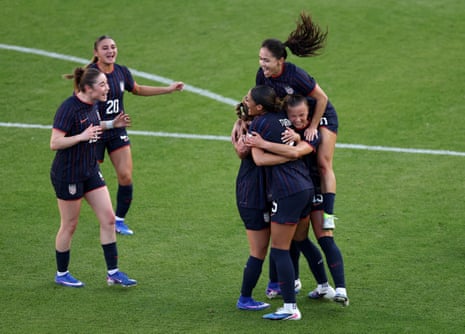
The U.S. Women’s National Team began 2026 with a lopsided friendly victory, beating Paraguay 6–0, and will continue the opening stretch of its schedule with a match against Chile. The early results are less about trophies and more about process: coach Emma Hayes is using the window to deepen the player pool, test combinations and define roles as the program moves from development toward sharper competitive preparation.
Against Paraguay, the U.S. attack came from multiple sources, signaling both depth and intent. Ally Sentnor scored twice, and other contributions included a goal from Trinity Rodman—who also served as a first-time captain in the match—plus a debut goal from Reilyn Turner. Those details matter because friendlies often function as auditions, and strong performances can shift future roster decisions.
Chile matchup: a different kind of test
Chile arrives with its own priorities, including preparation for upcoming World Cup qualification games, and is expected to treat the U.S. friendly as both a learning opportunity and a tactical tune-up. Preview coverage noted Chile’s possession-oriented approach and the likelihood that the U.S. will try to pressure high, forcing turnovers and testing the opponent’s ability to play through the press.
For the U.S., the main storyline is rotation. Hayes has signaled an emphasis on evaluating younger and fringe players, and the staff can use the match to gauge who can execute the team’s pressing triggers, who can manage tempo in midfield, and who can deliver final balls under pressure. Friendlies can be deceptive—scorelines don’t always translate to tournament success—but they can reveal which players are ready for bigger minutes.
Why these games matter in the long run
National teams have limited training time, so each international window becomes a high-value laboratory. Early-season matches provide video and data points that shape decisions months later: which partnerships look natural, which tactical adjustments stick, and which players can handle international speed and physicality.
The U.S. is also navigating the ongoing transition between cycles, balancing established leaders with emerging talent. The 6–0 win over Paraguay offered a glimpse of what the next generation can deliver, but the program’s larger goal is consistency against a variety of styles—possession teams, low blocks and physical counterattacking sides—before the highest-stakes games arrive.
What to watch vs. Chile
- Lineup choices: who gets a start as Hayes rotates for evaluation.
- Pressing structure: whether the U.S. wins the ball high and turns chances quickly.
- Chance creation: whether goals come from open play patterns, set pieces, or transitional moments.
If the U.S. can combine rotation with control and efficiency, the early 2026 friendlies will do their intended job: build depth now so the team has options later.
REPORTING RECORD
- SRC-01Times UnionTimes Union