What to know about Gaza’s Rafah crossing as Israel says it could reopen within days
Israel says Gaza’s Rafah crossing with Egypt may reopen soon under tight controls, potentially allowing limited medical evacuations and some travel, while goods remain barred for now.
- PUBLISHED
- UPDATED
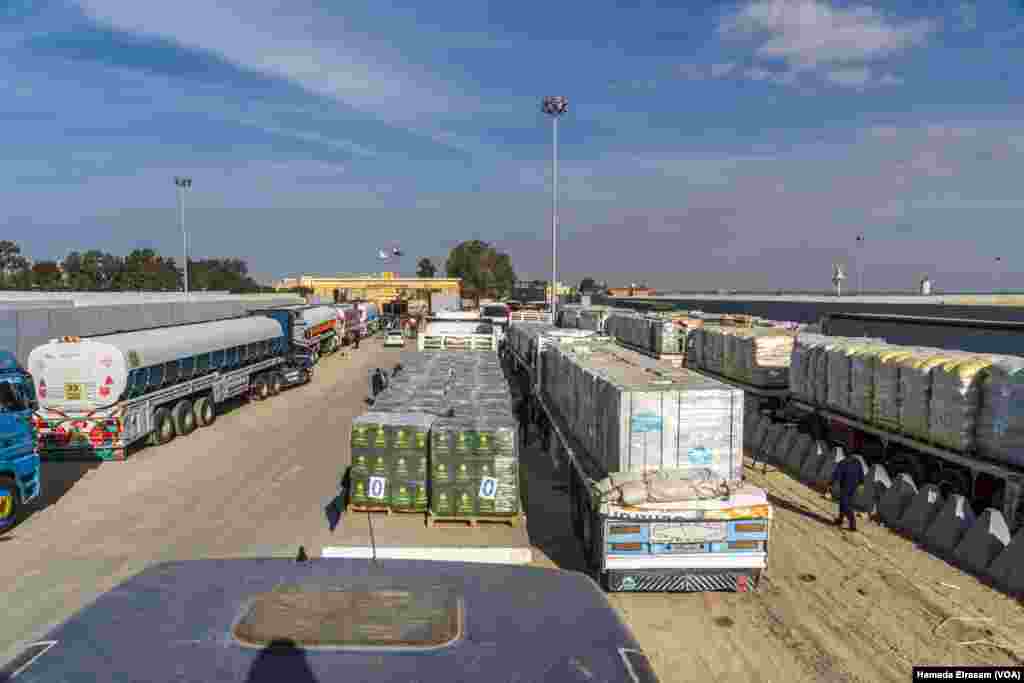
Rafah: Gaza’s gateway, largely shut since May 2024
For many Palestinians, the Rafah border crossing is the most direct route between Gaza and the outside world. It has been mostly closed since Israel seized control of the crossing area in May 2024, leaving people stranded on both sides and limiting options for those seeking treatment abroad.
Now, as a U.S.-brokered Israel–Hamas ceasefire process moves forward, Israeli officials say Rafah could reopen in the coming days. People familiar with the discussions have suggested reopening could happen as early as Thursday, while Palestinian officials have also signaled that preparations are underway.
People may cross, but goods will not—at least initially
Under the conditions described by Israeli officials, the immediate reopening would focus on pedestrian movement rather than commercial traffic. Israel’s Prime Minister Benjamin Netanyahu has said the crossing will reopen for travel, but that goods will not cross “for now,” meaning humanitarian and commercial shipments would remain constrained.
The expected flow of travelers is small relative to the need. Reports vary on the daily caps, with figures discussed including 50 in and 50 out each day, or 50 in and up to 150 out. Even at the higher end, the pace would mean long waits for those trying to leave Gaza for medical care or those attempting to return after being displaced outside the territory.
Medical evacuations first, amid a massive backlog
Preparations are being described as prioritizing medical evacuees, a major shift from prewar patterns in which many patients exited via Israel. Gaza’s health authorities say tens of thousands of sick and wounded people need treatment outside the territory. If only dozens can leave daily, the backlog could stretch for months or longer.
In previous evacuations, children, cancer patients, and people with severe injuries have often been prioritized. Evacuees typically travel with escorts, and discussions have included allowing escorts to accompany patients.
A complicated management setup, with Israel controlling the vetting
The planned Rafah operation involves multiple actors: Egypt, the Palestinian Authority, and a European Union mission. But the arrangement still gives Israel decisive control over who may enter or leave, including daily vetting of names. Israeli officials have also said there would be no Israeli soldiers physically stationed at the crossing itself, even as Israeli screening would occur inside Gaza.
Beyond the immediate reopening, key details remain uncertain: when trucks might be allowed through, what travelers may carry, and whether daily limits will remain in place or expand. Those unanswered questions matter for families, for hospitals waiting to transfer patients, and for aid groups trying to plan supply flows.