NIH spotlights chronic kidney disease and norovirus prevention as key January health priorities
NIH News in Health’s January 2026 issue highlights early detection and treatment for chronic kidney disease and offers prevention guidance on norovirus outbreaks, emphasizing that timely action and practical hygiene steps can reduce severe illness and fast-moving spread.
- PUBLISHED
- UPDATED
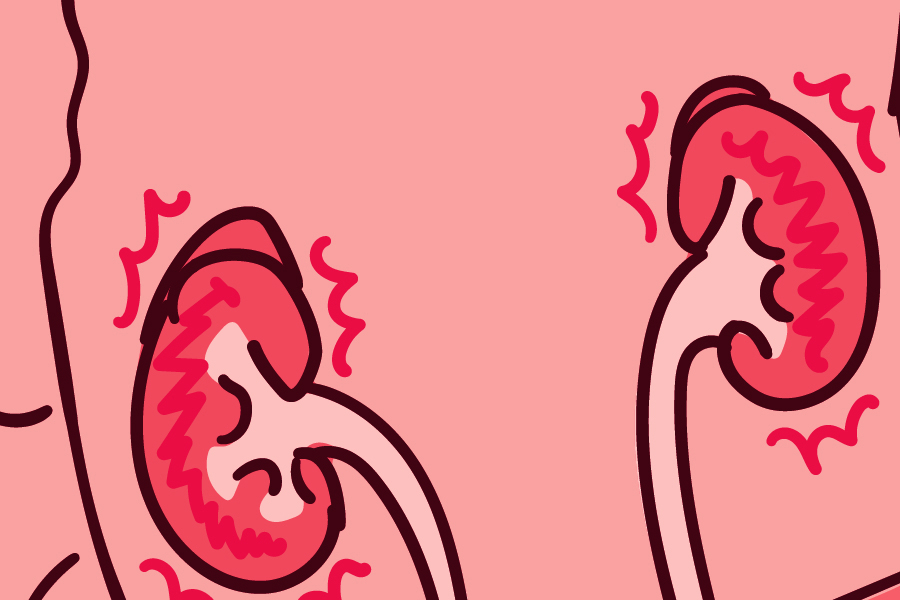
BETHESDA, Md. — The National Institutes of Health’s consumer-facing publication NIH News in Health is focusing January’s issue on two persistent public-health challenges: chronic kidney disease (CKD) and norovirus outbreaks. The message across both topics is consistent—early awareness and everyday prevention can meaningfully change outcomes.
On chronic kidney disease, NIH stresses that many people do not realize they have kidney damage until later stages, when symptoms become more noticeable and options can narrow. The publication highlights the importance of identifying risk factors, getting tested when appropriate, and starting treatment early, because early intervention can slow progression or, in some cases, stop the disease from worsening.
The issue also includes expert Q&As that point readers toward practical ways to think about CKD management, including the role of individualized treatment plans and the impact of diet. The aim is not simply to raise alarm, but to make CKD feel “trackable” with concrete next steps: monitoring, follow-up care, and lifestyle adjustments that support kidney health.
On infectious disease, the publication spotlights norovirus—often called a stomach bug—as an outbreak-prone virus that can spread rapidly in close-contact settings. NIH notes that scientists are continuing to study ways to interrupt transmission, while also emphasizing immediate, real-world prevention measures people can take to protect themselves and others.
The norovirus guidance centers on understanding how quickly outbreaks can move and why prevention matters even when illness is usually short-lived: the virus is highly contagious, and outbreaks can overwhelm schools, workplaces, care settings, and households when hygiene routines break down.
Taken together, the two features illustrate a broader health principle: some of the most serious medical problems are the quiet ones that build over years, while some of the most disruptive public-health problems are the fast ones that erupt in days. NIH’s January focus encourages readers to address both—by keeping up with screening and chronic-care basics, and by taking prevention seriously when common viruses start circulating.