31,000 Kaiser Permanente health care workers strike across California and Hawaii over staffing and pay
Kaiser Permanente nurses and other clinicians walked off the job Monday in an open-ended strike, citing chronic understaffing, compensation concerns, and patient-care delays; Kaiser says it has offered its strongest national wage proposal ever.
- PUBLISHED
- UPDATED
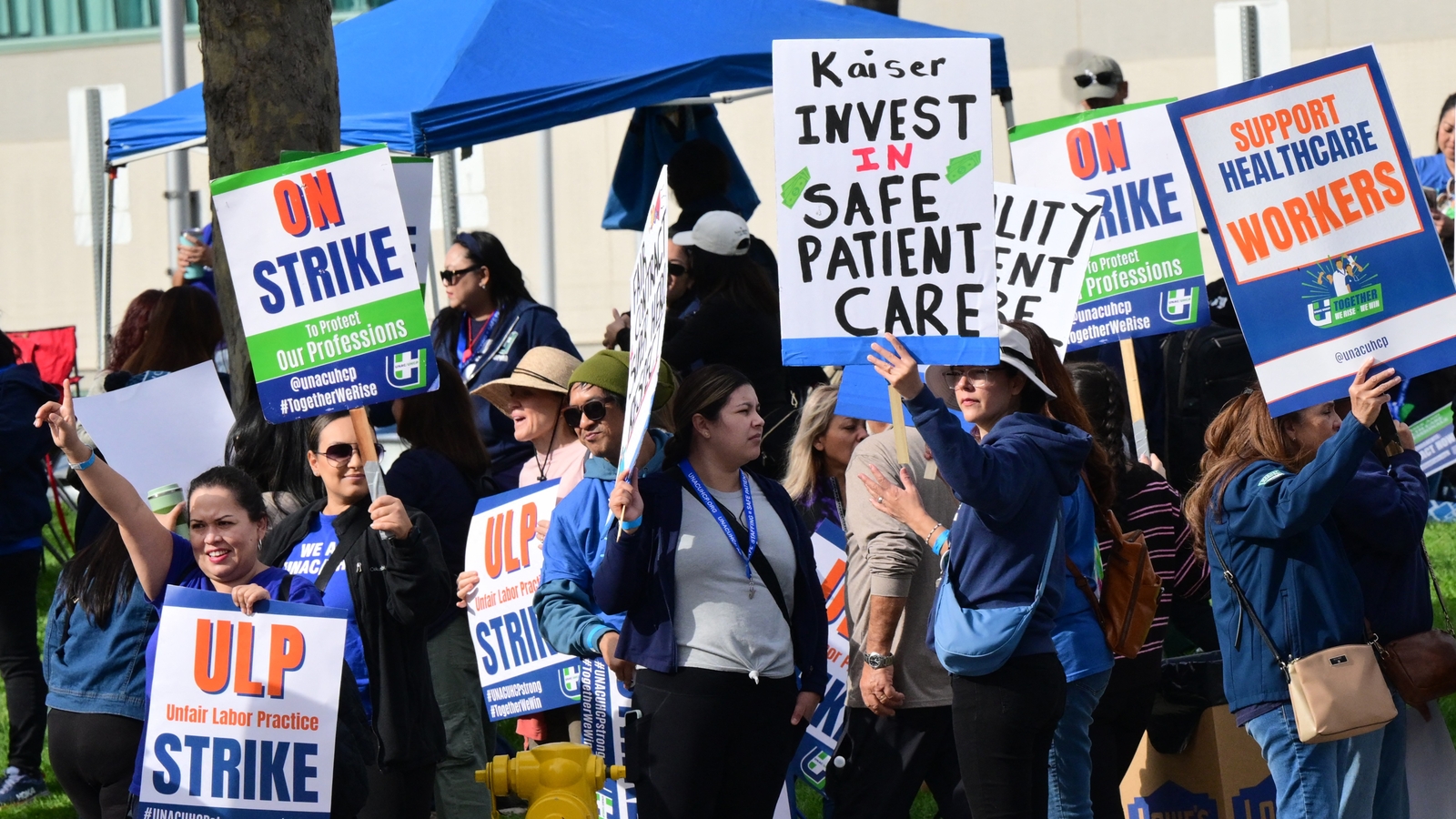
Tens of thousands of Kaiser Permanente health care workers in California and Hawaii began an open-ended strike Monday, amplifying a national debate over staffing shortages, retention, and the pace of care inside large hospital systems. The walkout includes about 31,000 members of the United Nurses Associations of California/Union of Health Care Professionals (UNAC/UHCP), spanning roles such as registered nurses, pharmacists, physician assistants, and nurse practitioners.
Union leaders say the strike is centered on safe staffing, fair compensation, and the ability to deliver timely care. On picket lines outside facilities, workers described feeling overwhelmed by patient volume and said long waits in emergency departments are becoming routine when units run short. The union argues that staffing levels directly determine whether clinicians can keep up with patient needs without unsafe workloads.
The labor dispute is also tied to bargaining process accusations. UNAC/UHCP says it filed an unfair labor practice charge with the National Labor Relations Board, alleging Kaiser walked away from negotiations in December and attempted to bypass agreed-upon national bargaining structures. The union says talks have stretched for months without enough progress to address core issues.
Kaiser Permanente disputes the union’s characterization and says its offer represents the strongest compensation package in its national bargaining history, including a 21.5% wage increase. Kaiser says it is focused on reaching agreements that both recognize staff contributions and protect access and affordability for patients and members.
Facilities are expected to remain open during the strike, but patients could see disruptions. Kaiser says emergency rooms and medical offices will continue operating, while some non-urgent appointments and elective surgeries may be rescheduled and some pharmacies could close. As the strike continues, pressure will mount on both sides to deliver a settlement that addresses worker fatigue and patient throughput while keeping care accessible.