About 31,000 Kaiser Permanente nurses and healthcare professionals strike in California and Hawaii
Thousands of Kaiser Permanente nurses and other healthcare professionals walked off the job in California and Hawaii in a labor dispute over staffing and compensation. The strike, organized by UNAC/UHCP, was set to begin at 7 a.m. PT and continue until an agreement is reached, putting renewed focus on workforce pressures in large U.S. health systems.
- PUBLISHED
- UPDATED
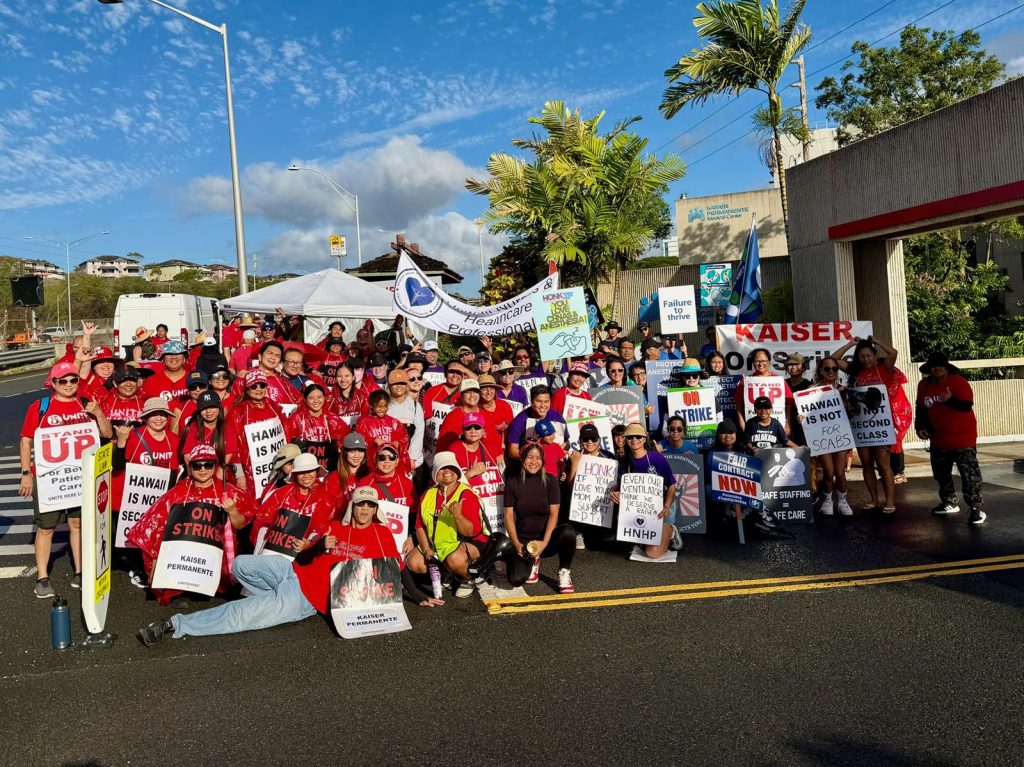
Roughly 31,000 nurses and healthcare professionals began a strike at Kaiser Permanente facilities in California and Hawaii, according to the union representing the workers. The action reflects continuing tension between large health systems and clinical staff over pay, staffing levels, and working conditions that unions say directly affect patient care.
The walkout, organized by the United Nurses Associations of California/Union of Health Care Professionals (UNAC/UHCP), was scheduled to start at 7 a.m. Pacific Time and to continue until the parties reach an agreement. The union said the strike would affect more than two dozen hospitals and hundreds of clinics, broadening the potential operational impact beyond a single region or facility.
In its statement, the union accused Kaiser management of undermining negotiations and attempting to intimidate workers who were preparing to strike. Union leaders framed the dispute as not only a compensation issue but also a staffing and safety fight, arguing that shortages and workload pressures create unacceptable strain in clinical environments.
Kaiser Permanente said it has been bargaining for months and characterized the talks as ongoing, with references to returning to local bargaining. Large health systems often point to the complexity of contracting across multiple roles and locations, while unions argue that systemwide standards and enforceable staffing rules are necessary for stability.
The strike highlights a broader post-pandemic reality in U.S. healthcare: labor remains one of the most persistent constraints, with recruitment, retention, and burnout reshaping how hospitals and clinics operate. Even when patient demand is steady, staffing gaps can force schedule changes, longer waits, or limits on elective services.
For patients, the immediate question is how quickly services normalize and whether contingency plans can keep critical functions running. For the industry, the longer-term question is whether large employers and unions can find durable models that address staffing pressure without locking systems into unsustainable cost trajectories—an issue likely to recur across major providers in 2026.