U.S. envoys press Israel to advance Gaza ceasefire’s next phase and reopen Rafah crossing
Senior U.S. representatives met with Israeli Prime Minister Benjamin Netanyahu and urged movement into the next phase of the Gaza ceasefire, with attention focused on steps tied to reopening the Rafah border crossing and recovering the remains of the last Israeli hostage still in Gaza. The talks come amid continuing violence and disputes over incidents inside the strip.
- PUBLISHED
- UPDATED
Push for second-phase steps as ceasefire remains fragile
Top U.S. envoys met with Israeli Prime Minister Benjamin Netanyahu, urging his government to move into the second phase of the Gaza ceasefire arrangement. The discussions were described as part of a broader effort to stabilize the truce, clarify the sequence of next steps, and reduce the risk of renewed escalation at a moment when political pressures are high on all sides.
According to reporting, Netanyahu held talks with U.S. envoy Steve Witkoff and Jared Kushner. A U.S. official said the American side has been working closely with Israel on recovering the remains of the last hostage still in Gaza, and on measures tied to the future security and governance framework for the territory.
Rafah crossing seen as key signal of progress
One of the clearest indicators of a move into the ceasefire’s second phase would be reopening the Rafah border crossing between Gaza and Egypt. Ali Shaath, identified as the head of a future technocratic administration expected to run day-to-day affairs in Gaza, said the crossing would open in both directions in the coming week. Israel did not confirm the timing and indicated it would consider the matter during a cabinet meeting.
Egyptian officials, in parallel, discussed elements linked to the second phase, including ideas for an international monitoring force, reopening Rafah for travelers and medical evacuations, and the withdrawal of Israeli forces. Egypt framed implementation as a gateway to starting reconstruction planning, though precise timelines for movement through Rafah were not detailed publicly.
Deaths inside Gaza underline continuing volatility
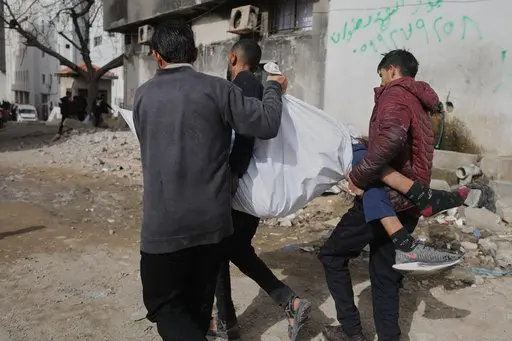
Even as the ceasefire framework advances, violence has continued. An Israeli strike killed two Palestinian teens, according to hospital authorities, who said the boys were searching for firewood. Israel’s military said it had targeted militants who crossed a designated line and planted explosives, and denied that those killed were children.
The episode highlighted the dispute over how security lines are interpreted on the ground and the difficulty of sustaining a truce while military forces remain in close proximity. Gaza health authorities have reported hundreds killed by Israeli fire since the ceasefire began, figures that outside observers track closely as diplomacy proceeds.
What to watch next
- Whether Israel’s cabinet approves opening Rafah and on what conditions.
- Any announced mechanism for monitoring the crossing, including an international presence.
- Steps connected to the recovery of hostage remains and related commitments from Hamas and Israel.
- Signals that reconstruction planning and governance arrangements are moving from concept to implementation.