U.S. envoys press Israel to move Gaza ceasefire toward a second phase as Rafah crossing talks intensify
American envoys met with Israeli Prime Minister Benjamin Netanyahu as diplomatic pressure builds to advance the Gaza ceasefire into a second phase. Discussions included the Rafah border crossing, potential monitoring arrangements, and steps tied to hostages as violence and disputed incidents persist.
- PUBLISHED
- UPDATED
Diplomacy to extend a fragile pause
On January 25, 2026, U.S. envoys met with Israeli Prime Minister Benjamin Netanyahu to push for movement into the second phase of the Gaza ceasefire, according to reporting that framed the effort as part of a Trump-brokered deal. Negotiations were described as tied to hostage-related conditions and the return of remains still held by Hamas. ([apnews.com](https://apnews.com/article/90e36ca7d2e27ca8a21d1727e9e0119f?utm_source=openai))
The diplomatic push comes amid ongoing instability on the ground, where even during a ceasefire framework, contested incidents can quickly undermine public support and complicate decision-making. For mediators, the central challenge is sequencing: each side wants concrete steps from the other first, while the window for sustaining momentum narrows as political pressures rise.
Rafah crossing and monitoring proposals
A key issue under discussion is the Rafah border crossing between Gaza and Egypt. The reporting described calls for reopening it soon, with additional conversations involving Egypt and international officials about monitoring arrangements and Israeli troop withdrawal elements. ([apnews.com](https://apnews.com/article/90e36ca7d2e27ca8a21d1727e9e0119f?utm_source=openai))
Control and oversight at Rafah is both logistical and political. It affects humanitarian flows, medical evacuations, and commercial supply lines, but also has implications for security screening and the perception of sovereignty. Any monitoring force proposal must satisfy multiple audiences at once: local residents demanding relief, security establishments demanding enforceable controls, and external partners seeking stability.
Violence and disputed narratives
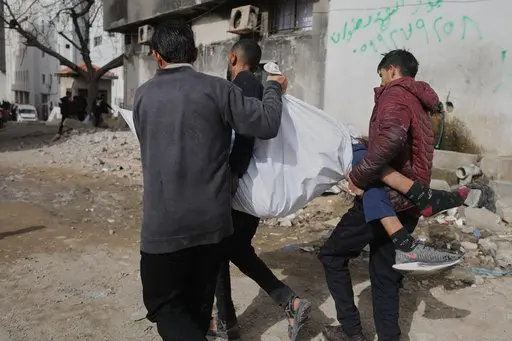
The report also described a deadly incident involving an Israeli strike and disputed accounts about those killed, illustrating how quickly contested facts can become diplomatic obstacles. Such episodes often dominate media cycles and harden negotiating positions, even as behind-the-scenes talks continue. ([apnews.com](https://apnews.com/article/90e36ca7d2e27ca8a21d1727e9e0119f?utm_source=openai))
For ceasefire architects, preventing escalation frequently depends on credible mechanisms for incident review, rapid communication channels, and consequences for violations—tools that are difficult to establish without some level of on-the-ground cooperation.
What happens next
- Israeli cabinet-level review of Rafah-related decisions and operational constraints.
- Further mediator engagement with Hamas and regional partners on sequencing and verification.
- Clarification of monitoring arrangements, including who participates and what powers they hold.
Whether talks move into a second phase will likely hinge on narrow, specific deliverables—access points, verification steps, and hostage-related milestones—rather than broad statements of intent.