U.S. envoys press Israel to move into Gaza ceasefire’s next phase as Rafah reopening discussed
Senior U.S. envoys met Israel’s prime minister to push progress on the next phase of the Gaza ceasefire, including the fate of a hostage’s remains and steps toward reopening the Rafah crossing with international monitoring and potential Israeli troop withdrawal.
- PUBLISHED
- UPDATED
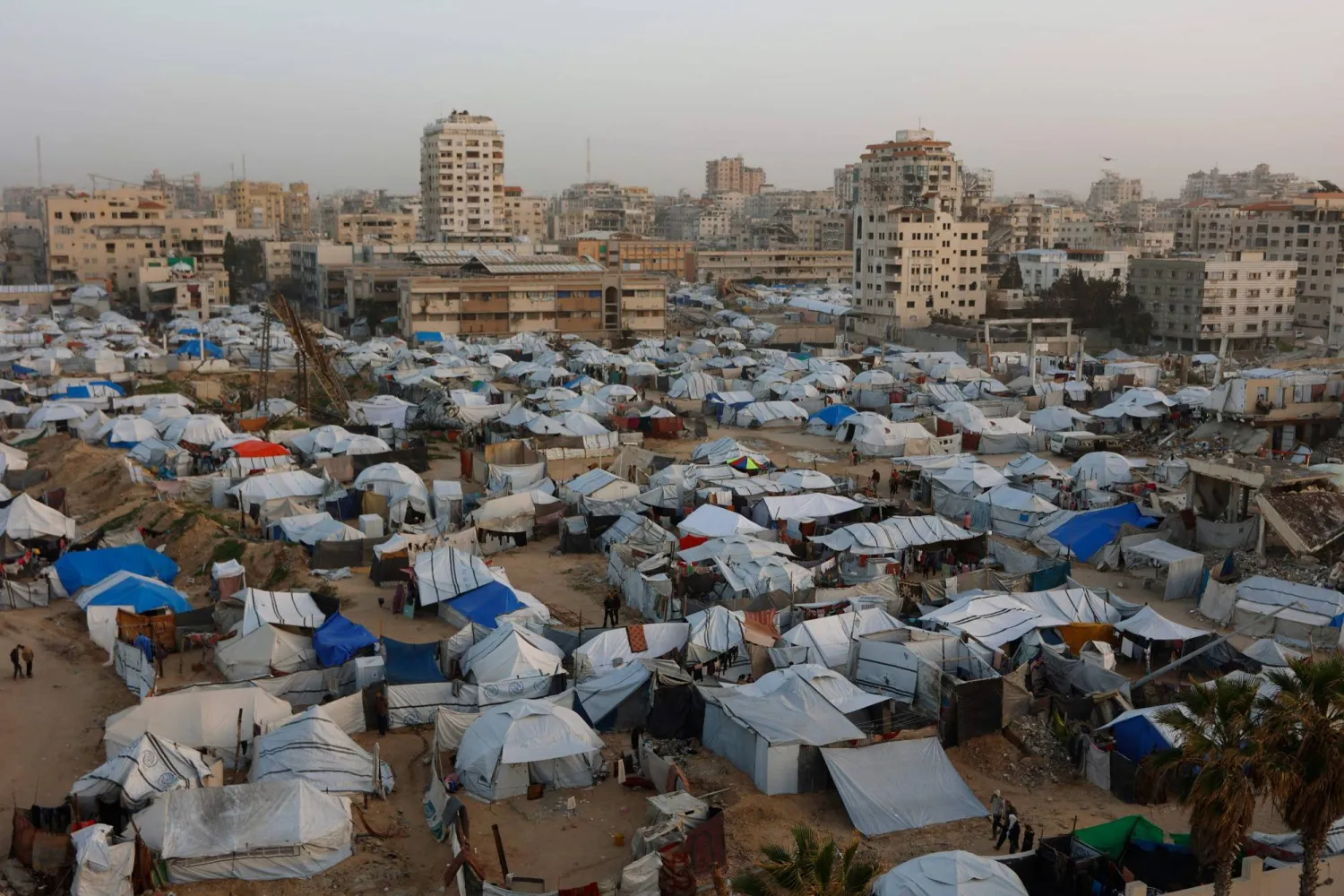
Senior U.S. envoys traveled to meet Israeli Prime Minister Benjamin Netanyahu as Washington pressed for movement into the second phase of the Gaza ceasefire framework. The discussions centered on key conditions and sequencing issues that mediators say must be resolved if the deal is to advance from a fragile pause to more durable arrangements on borders, security and governance.
According to officials familiar with the talks, the next phase is tied to the return of the remains of an Israeli hostage still held by Hamas, a sensitive point that has become intertwined with broader negotiations. Mediators have been working to clarify what Hamas can provide and what steps Israel is prepared to take in return, while both sides trade accusations over stalled recovery efforts and battlefield access.
A major operational focus has been the Rafah border crossing between Gaza and Egypt. Egyptian and international interlocutors have argued that reopening Rafah is central to stabilizing humanitarian flows and enabling more structured oversight of movement. Plans under discussion include some form of international monitoring presence, and negotiators have also explored the scope and timing of any Israeli troop withdrawals associated with the crossing.
Public statements from the region suggested the crossing could reopen soon, but Israeli officials have not publicly confirmed a specific timetable. Any reopening would require agreement on inspection procedures, coordination with Egyptian authorities, and clarity on who administers the Gaza-side operations—issues that have repeatedly complicated earlier attempts to normalize cross-border passage.
Even during the ceasefire period, violence has continued in and around Gaza. An Israeli strike that killed two Palestinian teenagers collecting firewood near a designated safe area sparked dispute over the circumstances and the identities of those killed. The episode underscored how quickly incidents on the ground can inflame tensions and threaten negotiating momentum.
Gaza health authorities have reported hundreds of deaths since the ceasefire took effect, figures that Israel disputes while U.N. agencies and independent experts have often treated Gaza’s detailed casualty records as broadly reliable for trend tracking. The ongoing debate over numbers and attribution remains politically charged and is frequently cited by both sides in arguments about compliance and proportionality.
For U.S. negotiators, the message to Israel has been that the ceasefire’s durability depends on moving beyond short-term pauses toward mechanisms that reduce the risk of renewed escalation. For regional partners such as Egypt, the Rafah crossing and humanitarian logistics are not only policy priorities but also domestic political imperatives.