Hungary’s Orbán accuses Ukraine of trying to influence election, summons ambassador
Hungarian Prime Minister Viktor Orbán accused Ukraine of attempting to interfere in Hungary’s upcoming April 12, 2026 election and ordered Ukraine’s ambassador to be summoned to the foreign ministry. The claims, made without evidence, come amid Budapest’s increasingly confrontational rhetoric toward Kyiv and ongoing divisions inside Europe over support for Ukraine.
- PUBLISHED
- UPDATED
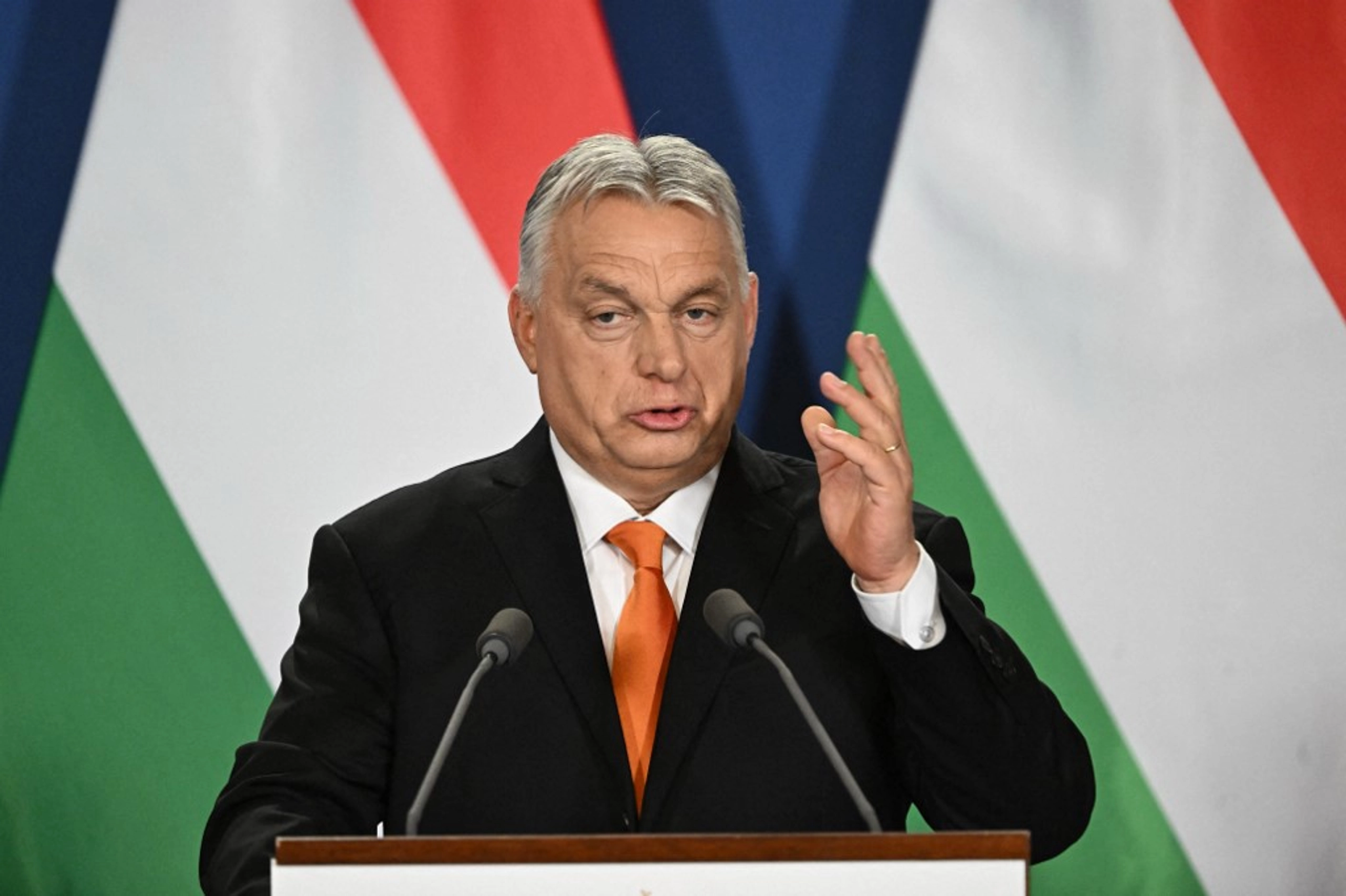
Hungary’s Prime Minister Viktor Orbán escalated his confrontation with Ukraine on Monday, accusing Kyiv of attempting to meddle in Hungary’s April 12, 2026 national election and ordering Ukraine’s ambassador to be summoned to the foreign ministry. Orbán said Hungary’s security services assessed the situation as part of a coordinated effort by Ukraine to influence Hungarian politics, though he did not provide evidence for the allegation.
The move fits into Orbán’s broader campaign messaging, which has framed the Russia-Ukraine war as a direct threat to Hungary’s sovereignty and security. Orbán has repeatedly argued that political opponents could pull the country closer to involvement in the conflict, a theme that has become more prominent as polling suggests a tougher electoral environment for his ruling party.
Orbán also claimed Ukrainian leaders had made offensive or threatening comments about Hungary and its government, without specifying which statements he meant. In recent months, relations between Budapest and Kyiv have been strained by disputes about Europe’s approach to the war, Hungary’s ties to Russia, and disagreements about the European Union’s financial and military support for Ukraine.
Hungary has frequently resisted EU initiatives aimed at boosting assistance for Kyiv and has vowed to block steps toward Ukraine’s accession to the bloc. Orbán’s government has urged voters to back its position through a nationwide petition opposing continued EU financial support. Ukraine’s President Volodymyr Zelenskyy, speaking at the World Economic Forum in Davos last week, criticized Orbán and suggested Hungary’s stance undermines European unity at a time of heightened pressure from Russia.
The diplomatic summons adds another point of friction inside Europe as leaders weigh how to sustain support for Ukraine while managing domestic political pressures. With elections approaching in Hungary and the war continuing, the dispute underscores how the conflict is reshaping politics far beyond the battlefield, and how narratives about security and sovereignty are being deployed in national campaigns.