Israel says it recovered the remains of Gaza’s last hostage, pushing ceasefire into its hardest phase
Israel’s recovery of the remains of Ran Gvili, described as the last hostage in Gaza, completes a central requirement of the ceasefire’s first stage. The agreement now moves toward a more complicated second phase involving border access, security arrangements, disarmament demands and reconstruction plans.
- PUBLISHED
- UPDATED
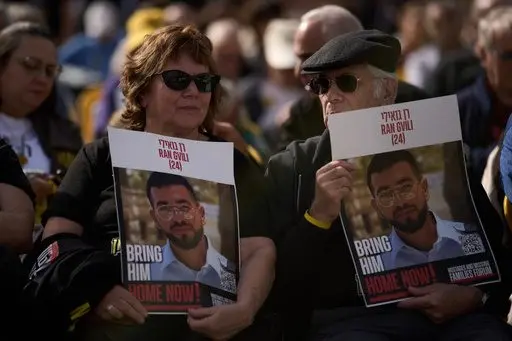
Israel said Monday it recovered the remains of Ran Gvili, the last hostage held in Gaza, a development that officials portrayed as closing one chapter of the war and clearing the path toward the next stage of a ceasefire with Hamas. Gvili, a 24-year-old Israeli police officer, was killed during the Oct. 7, 2023 attack and his body was taken into Gaza, according to Israeli accounts.
The return of remaining hostages, whether alive or dead, was a core element of the first phase of the ceasefire. Israeli leaders argued that completing that obligation is necessary before taking steps that could reshape the security and political landscape in and around Gaza. Families of captives have also pressed the government to keep the hostage issue central to any deal.
Israeli Prime Minister Benjamin Netanyahu praised the operation to recover the remains and framed it as evidence of Israel’s commitment to meeting the goals it set at the outset of the conflict. A convoy carrying the coffin traveled toward Tel Aviv as people gathered along roads to pay respects, underscoring how emotionally charged the hostage issue remains inside Israel.
Attention is now turning to the ceasefire’s second phase, widely expected to be significantly harder to implement. The next steps described in the deal include moving toward reopening Gaza’s border with Egypt, changing security arrangements inside the territory, and addressing governance questions that have no easy answers after years of Hamas rule and the devastation of war.
One key point involves the Rafah crossing on Gaza’s southern border. Palestinians have viewed Rafah as a critical route for travel and medical care and a potential conduit for increased aid and commerce. The crossing has been largely shut for long periods since 2024, and any reopening is expected to come with new controls and security provisions.
The broader second-phase agenda includes proposals for an international security force, Israeli troop pullbacks, rebuilding plans and the politically explosive issue of whether and how Hamas could be disarmed. Those items touch on Israel’s long-term security demands and Palestinians’ insistence on sovereignty and normal movement, leaving major questions unresolved.
Even with ceasefire milestones met, humanitarian needs remain acute. The war has caused widespread destruction and displacement, while access restrictions and periodic violence have complicated relief delivery. As the agreement moves forward, its durability will likely depend on whether promised steps translate into tangible changes for civilians on the ground.