Trump says Greenland security ‘framework’ reached at Davos, drops EU tariff threat
At the World Economic Forum in Davos, President Donald Trump said the U.S. had reached a new “framework” with NATO on Arctic security and announced he was dropping a threatened round of tariffs on several European countries, while still pressing his long-running ambition involving Greenland.
- PUBLISHED
- UPDATED
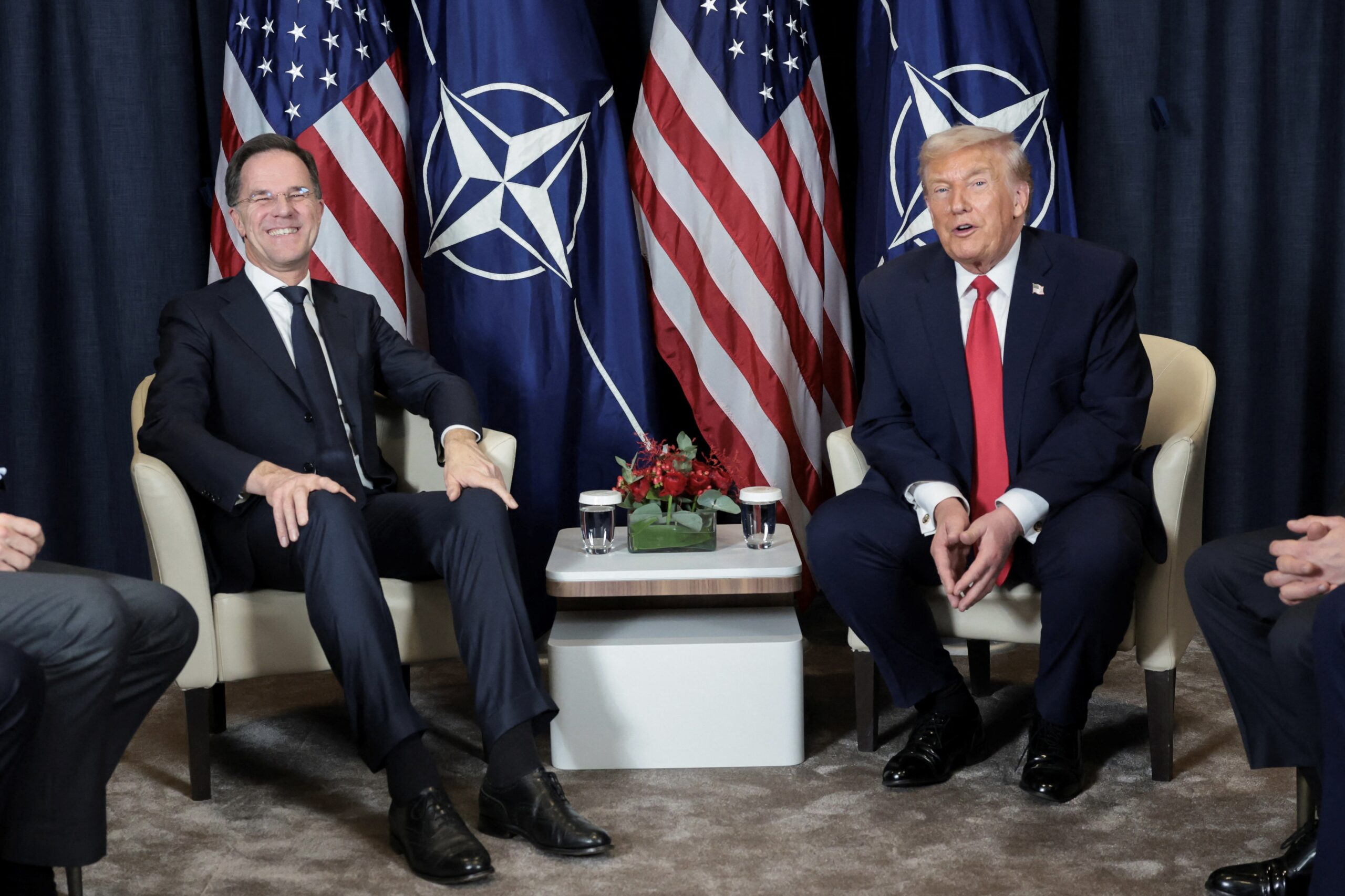
A Davos pivot on tariffs amid Arctic security talk
Speaking during the World Economic Forum in Davos, Switzerland, President Donald Trump said the United States would drop its threatened tariffs on several European countries, pointing to what he described as a new framework with NATO related to Arctic security. The announcement came after days of heightened rhetoric that had raised concerns of a renewed transatlantic trade clash and deeper tensions inside the NATO alliance.
According to the report, Trump framed the decision as a long-term arrangement and presented it as evidence that his approach can produce agreements through pressure and negotiation. Markets and diplomats have closely watched the administration’s trade posture because tariff threats can quickly affect investment decisions, supply planning and currency expectations, especially when the targets include close U.S. allies.
Greenland remains central to the dispute
Even as he stepped back from the tariff threat, Trump continued to emphasize U.S. ambitions regarding Greenland. In earlier remarks at Davos, he reiterated a desire for U.S. control and urged NATO allies not to obstruct the effort, signaling that the Greenland question still sits at the center of a broader argument about security and influence in the Arctic.
The administration’s Greenland messaging has become a flashpoint because Greenland is an autonomous territory within the Kingdom of Denmark, and any suggestion of coercion reverberates across European capitals. For many allies, the critical issue is less the Arctic’s strategic importance—which is widely acknowledged—and more the fear that pressure tactics could undercut alliance cohesion during a period of global instability.
Why the shift matters beyond Europe
A tariff rollback, even a partial one, can immediately alter the political and economic temperature between Washington and European governments. It can also affect how other countries interpret U.S. negotiating behavior on trade and security, including partners in Asia and the Americas that are evaluating whether disputes will be handled through predictable multilateral channels or through rapid escalations followed by sudden reversals.
Analysts also note that framing a trade decision through an alliance-security lens blurs the line between commercial policy and defense commitments. Supporters argue that it gives the U.S. leverage to produce results, while critics warn it risks turning security cooperation into a bargaining chip, potentially weakening trust among allies over time.
What comes next
- Details: observers will look for specific language on what the NATO “framework” covers and what obligations it implies.
- Follow-through: European governments will watch for consistency in U.S. tariff policy after the Davos announcement.
- Greenland diplomacy: any further statements about ownership or control could quickly reignite the crisis.
For now, the Davos comments reduced immediate tariff pressure but did not resolve the underlying dispute about Greenland and the balance between U.S. power and allied consent in Arctic policy.