UK Prime Minister Keir Starmer plans China trip to reset ties and boost trade, despite frictions
UK Prime Minister Keir Starmer is set to travel to China late January for the first official visit by a British premier since 2018, aiming to improve trade relations while navigating disputes over rights, security and geopolitics.
- PUBLISHED
- UPDATED
A high-stakes diplomatic reset with Beijing
UK Prime Minister Keir Starmer is preparing to travel to China for the first official visit by a British prime minister since 2018, a trip framed by his government as an effort to reset relations and strengthen trade ties. The planned visit comes as Britain’s center-left Labour government presses for faster economic growth and looks for new commercial openings, even as political tensions with Beijing remain unresolved.
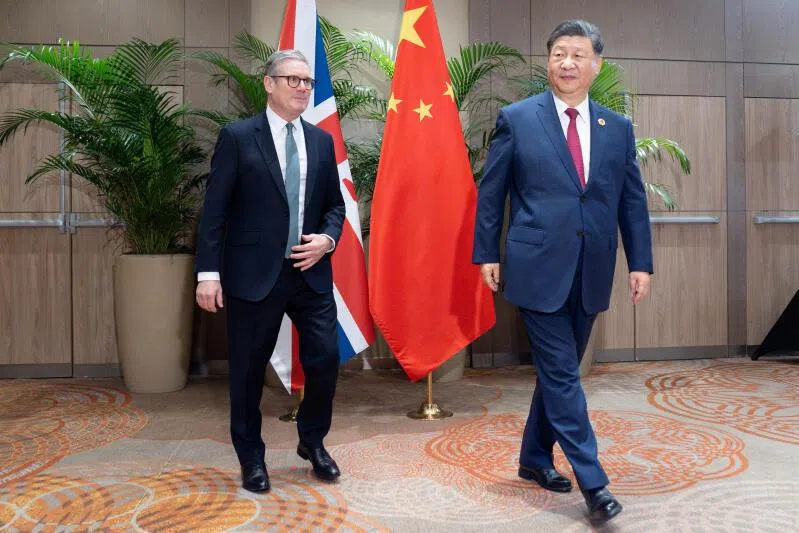
The trip is expected to include a meeting with Chinese President Xi Jinping, which would give both sides a public stage to signal whether they can stabilize a relationship that has been strained by disputes over alleged human-rights abuses, security concerns and claims of spying. The war in Ukraine and broader global alignment questions are also likely to shape conversations, particularly as governments in Europe seek to balance commerce with strategic caution.
Trade push meets domestic and geopolitical headwinds
Starmer’s effort to re-engage China has faced pushback at home. Critics argue that any pursuit of closer economic ties risks muting Britain’s stance on sensitive issues, including Hong Kong and other rights concerns. Some lawmakers have been sanctioned by China, adding to political pressure on the government to show that engagement delivers tangible benefits rather than symbolic photo-ops.
Supporters of a pragmatic approach contend that Britain must be able to talk to major powers even when disagreements persist, especially when domestic priorities include jobs and growth. In that view, the key test of the trip will be whether it produces measurable outcomes: investment commitments, export openings or frameworks for deeper cooperation that can withstand inevitable political disputes.
A broader Asia itinerary
According to reports, Starmer’s travel plans also include a brief stop in Japan after China, underscoring how London is trying to maintain strong links with regional allies while re-opening channels to Beijing. The sequencing highlights a familiar UK dilemma: keeping security relationships robust while avoiding a trade policy that leaves Britain isolated from the world’s second-largest economy.
Even if the visit produces limited immediate announcements, analysts say it could still matter as a signal of intent: that London wants a more stable, transactional relationship with China focused on economics, while reserving the right to criticize policies it opposes. For businesses, the trip may also provide clues on whether regulatory and political risk will ease or remain a defining feature of UK-China trade.