Tech
Chronological wire record. Latest transmission first.
House panel advances bill to let Congress block certain AI chip exports to adversaries
The House Foreign Affairs Committee advanced the AI Overwatch Act, which would expand congressional oversight of AI chip exports—especially to China—setting up a fight over national security, trade authority, and U.S. tech competitiveness.
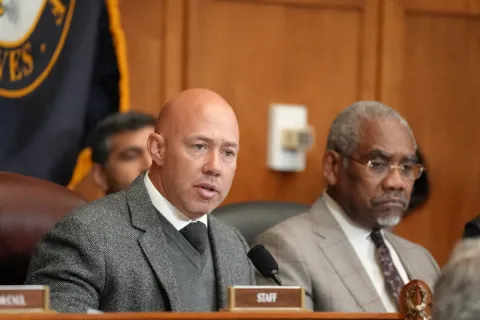
OpenAI’s high-stakes 2026: Altman pushes scale, energy and politics as AI scrutiny intensifies
A profile of Sam Altman describes 2026 as a pivotal year for OpenAI, highlighting ambitious infrastructure plans, competitive pressure, and growing political and regulatory scrutiny.
Micron’s results underline how AI is reshaping the memory market in 2026
Micron’s record quarter highlights a tech shift: AI systems are driving demand for advanced memory and storage, pushing vendors to expand capacity, improve performance and prioritize products geared to data centers and accelerated computing.
Bill Gates warns of AI investment hype as spending and valuations surge
Speaking in Davos, Bill Gates cautioned that not every company riding the AI boom will succeed, urging investors to separate durable value from speculative heat as spending on AI infrastructure continues to climb.
Tech giants slide extends into 2026, testing the market’s AI-era winners
The early-2026 downturn in mega-cap technology is raising new questions about how investors price AI-driven growth, and how long market leadership can remain concentrated in a handful of firms.
Nvidia backs AI deployment startup Baseten as focus shifts toward inference at scale
Nvidia participated in a major funding round for Baseten, a startup focused on deploying and operating large AI models, reflecting industry momentum around inference and production AI. The investment highlights competition over how companies will run AI workloads efficiently as demand spreads beyond training into everyday applications.
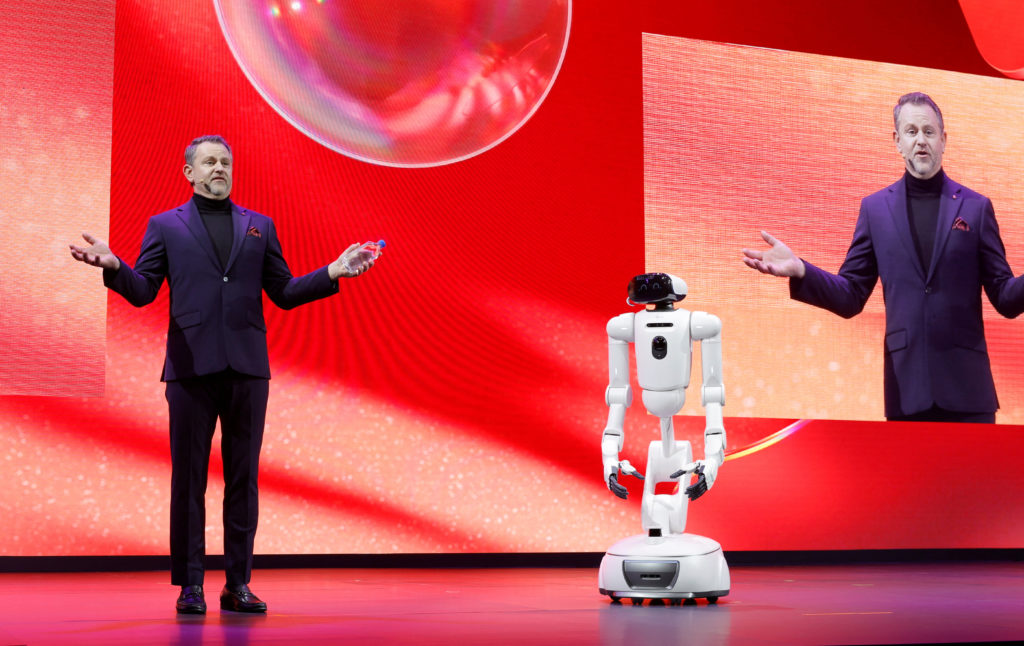
At CES 2026, Nvidia touts “physical AI,” new models, and its Rubin platform as competition intensifies
Nvidia used CES 2026 to highlight “physical AI,” previewing models designed for simulation and autonomous driving and describing its next-generation Rubin computing platform. The announcements underline the race to turn AI breakthroughs into real-world machines.
U.S. CDC updates how it organizes the childhood immunization schedule after presidential review request
The CDC has adopted a new framework for how the childhood immunization schedule is organized, following a presidential memorandum directing a review of international practices. The agency says vaccines remain covered without cost sharing, while the schedule will be presented in three categories, including a shared clinical decision-making section.
Verizon outage briefly knocks out service nationwide, iPhone users see ‘SOS’
A widespread Verizon network outage disrupted voice, text and data service across the U.S., with many iPhone users seeing “SOS” in the status bar as engineers worked to restore connectivity.
Pro-AI super PACs ramp up spending ahead of 2026 midterms to shape regulation debate
Silicon Valley-backed political groups are spending heavily to support candidates who favor a lighter-touch, national approach to AI governance, setting up AI policy as a major 2026 midterm battleground.
AI and cyber modernization spotlighted as defense planning stresses emerging technologies
U.S. defense planning is increasingly emphasizing modernization across cyber and artificial intelligence. The push underscores growing concern that technological advantage will shape deterrence and crisis outcomes.
FTC appeals Meta antitrust win, keeping pressure on Big Tech dealmaking and platform dominance
The Financial Times reports the U.S. FTC has appealed a court ruling that favored Meta, extending the fight over whether Instagram and WhatsApp acquisitions helped cement monopoly power. The appeal is another test of how far regulators can go in reshaping Big Tech.